
The Challenge
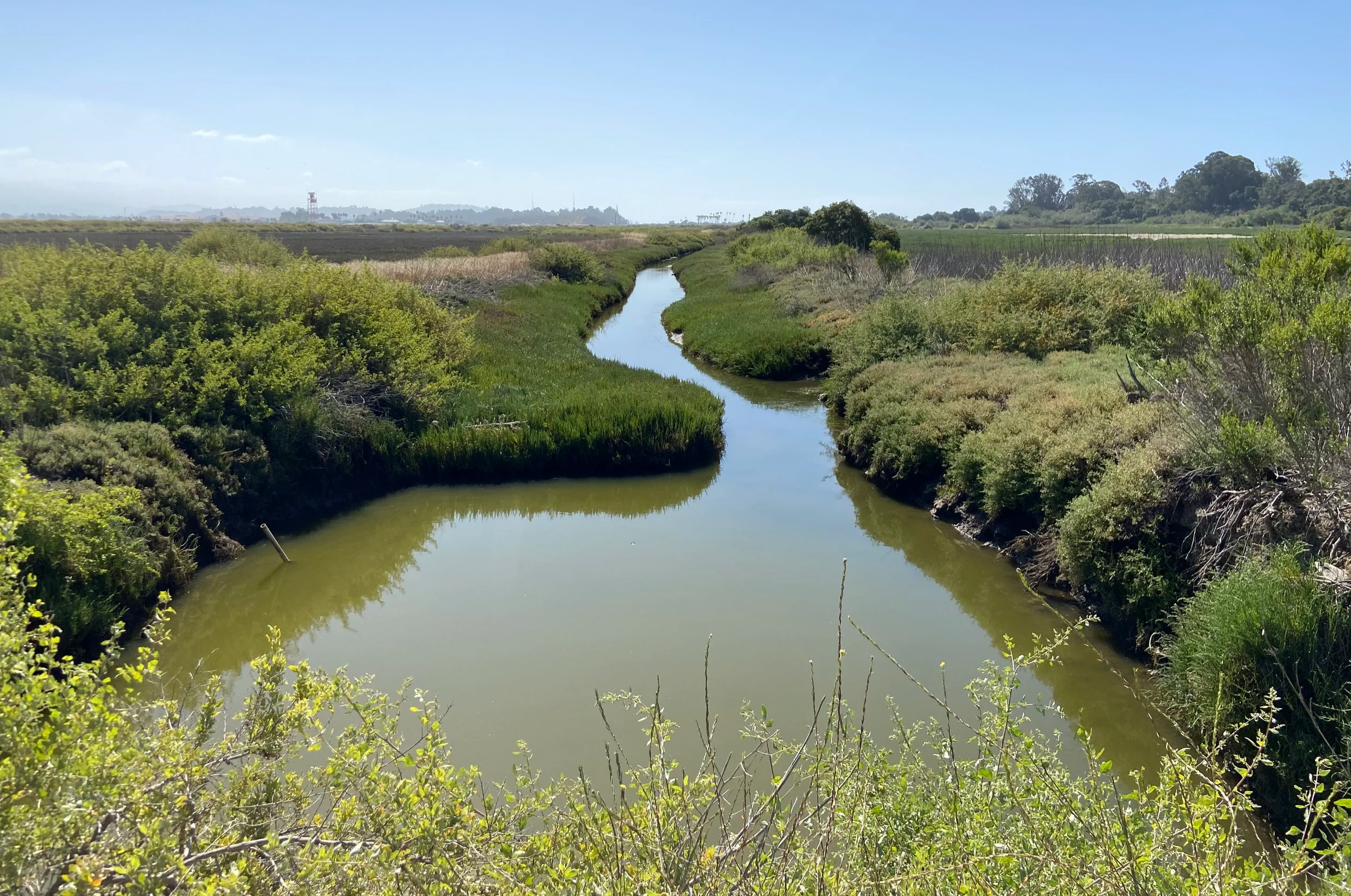
The Goleta Slough and its surrounding coastal area is an ecological hotspot, an economic engine, and the heart of the greater Santa Barbara community. Climate change is increasing the frequency and intensity of extreme weather events, which poses a threat through rising sea levels, coastal erosion, and intensified drought, and wildfires.
Built environment infrastructure is increasingly impacted, and the ability of the wetland to properly absorb water during extreme events is increasingly strained. This tension is reaching a nexus point and necessitates a greater resilience thinking that prioritizes the Goleta Slough’s wetland and larger coastal ecosystem, not only for the benefit of the natural environment, but also to be better protect the surrounding community and its infrasturcture from the impacts of climate change.
-
The Goleta Slough is central to the natural ecosystem in the Santa Barbara region, supporting ecological diversity and important watershed and shoreline processes. The Slough is also a built environment, incrementally filled and hemmed in by more than a century of urban expansion and economic growth. The challenges of managing the Slough in relation to the built environment have been an on-going concern for the last half-century, and a specific focus of the Goleta Slough Management Committee since the early 1990s. This management complexity is further exacerbated due to the array of governing jurisdictions and land owners in the Slough area.
-
Beyond its inherent management challenges, Goleta Slough faces the mounting threat of climate change, which is expected to bring more severe storms, increased flooding, coastal erosion, and rising sea levels. These physical processes manifest as coastal hazards in the built environment, causing increasing damage to development, infrastructure, public safety, the local economy, community well-being, and natural ecosystems. These effects are also compounded by increased drought, wildfire, and extreme heat days projected for the larger region. An array of organizations have conducted vulnerability studies, hazard and risk assessments, and climate forecasting to plan for a more resilient future.
-
The complexity of the socio-ecological system in the Slough demands a resilience framework and governance approach that is just as interconnected.
This has led to a one-directional relationship, wherein the ecosystem is manipulated in service of built infrastructure. The paradigm of modern society generally, but particularly in this regional context, has been predisposed to development and expansion of the built environment, at times at the expense of the conservation and protection of the natural ecosystem and cultural resources of the Slough.
To meet the social and economic needs of the region, it might seem more intuitive to address the immediate protection of the built environment. However, the results of this report signal a need for imagining more transformative changes to ensure the vitality of the whole socio-ecological system many decades into the future. It has also become increasingly evident that strengthening natural systems will ultimately positively benefit the entire socio-ecological system, including built infrastructure.
With a deep understanding of the current risks and projected future climate impacts to the region, there is now a pivotal opportunity to re-evaluate past decisions. However, changing this paradigm will take time. The community’s reliance on infrastructure that is located in the Slough means that the socio-ecological system cannot radically transform overnight. The natural ecosystem will continue to support the resilience and functioning of built infrastructure and in the short term the imposition of the built environment may slow or limit the extent to which the Slough can be restored to a more functioning wetland ecosystem. In the coming decades, management entities and the community can push for a more bi-directional approach to address the projected impacts of climate change, with infrastructure investments equally prioritizing the health and restoration of the natural systems. In this future paradigm, the built infrastructure and the natural ecosystem are managed in support of each other and the wider community’s resilience.
Every investment made is a decision point that can reinforce the status quo or nudge the region towards a paradigm shift—particularly moments when infrastructure is reaching the end of its usable life or impacted in a shock event. If the restaurant at Goleta Beach is damaged by waves again, will it be reconstructed in place? And if so, for how long? When the airport floods repeatedly or local utilities have sewage spills, how will managers respond?
These moments, particularly when a disaster (or shock) strikes, are the time to ask the question, what is the best path forward to reduce the potential future impacts? They represent opportunities to reassess whether rebuilding in place continues to serve the community's long-term interests. At these junctures, there are important questions to be answered: Why are we making this investment? Do we want to keep investing in this built asset? Is this investment being made at the expense of the ecosystem? Does it inherently prioritize the built environment? Does this investment make sense in the long term? Are there nature-based solutions and options we can explore or implement?
The Place
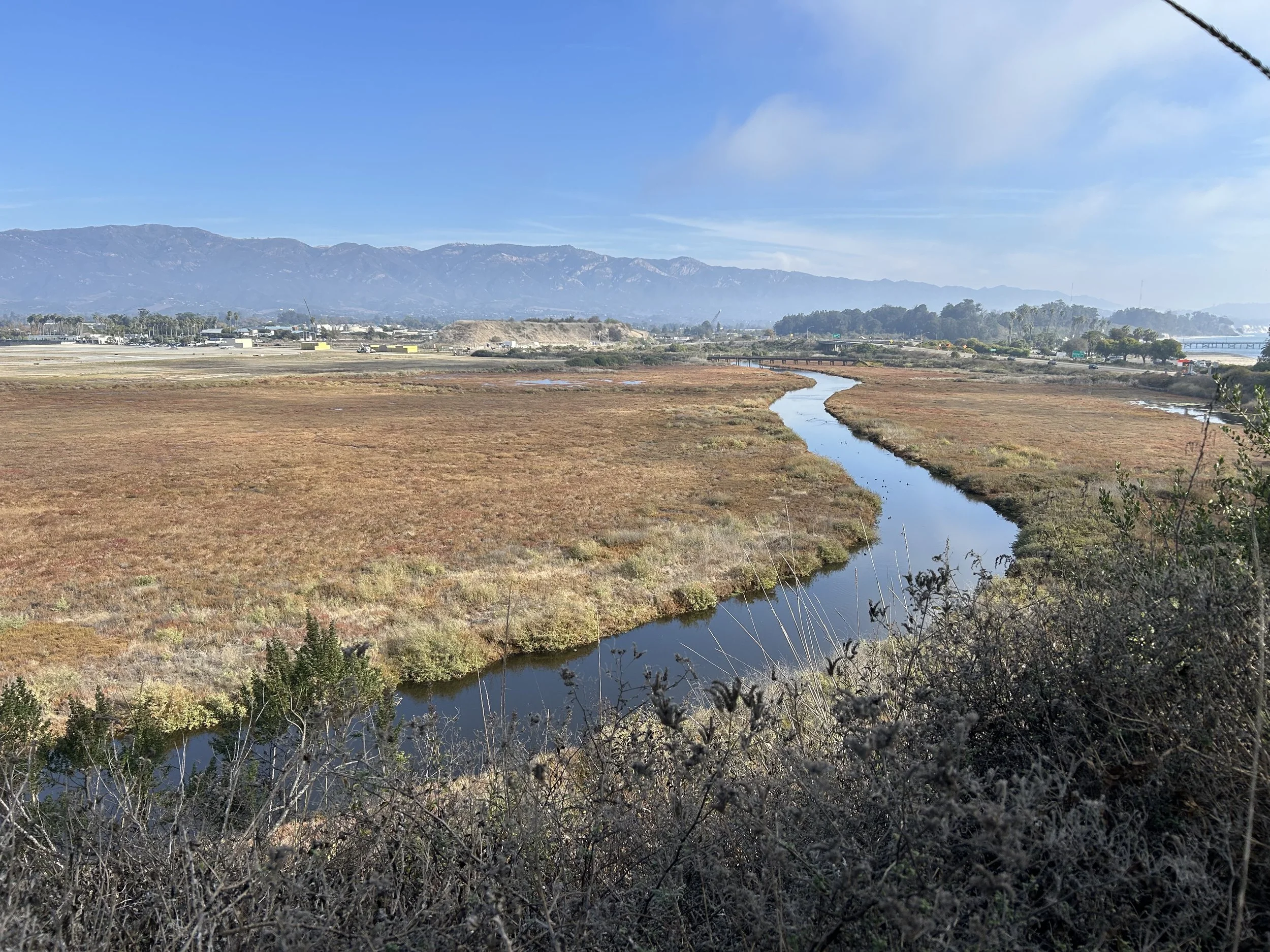
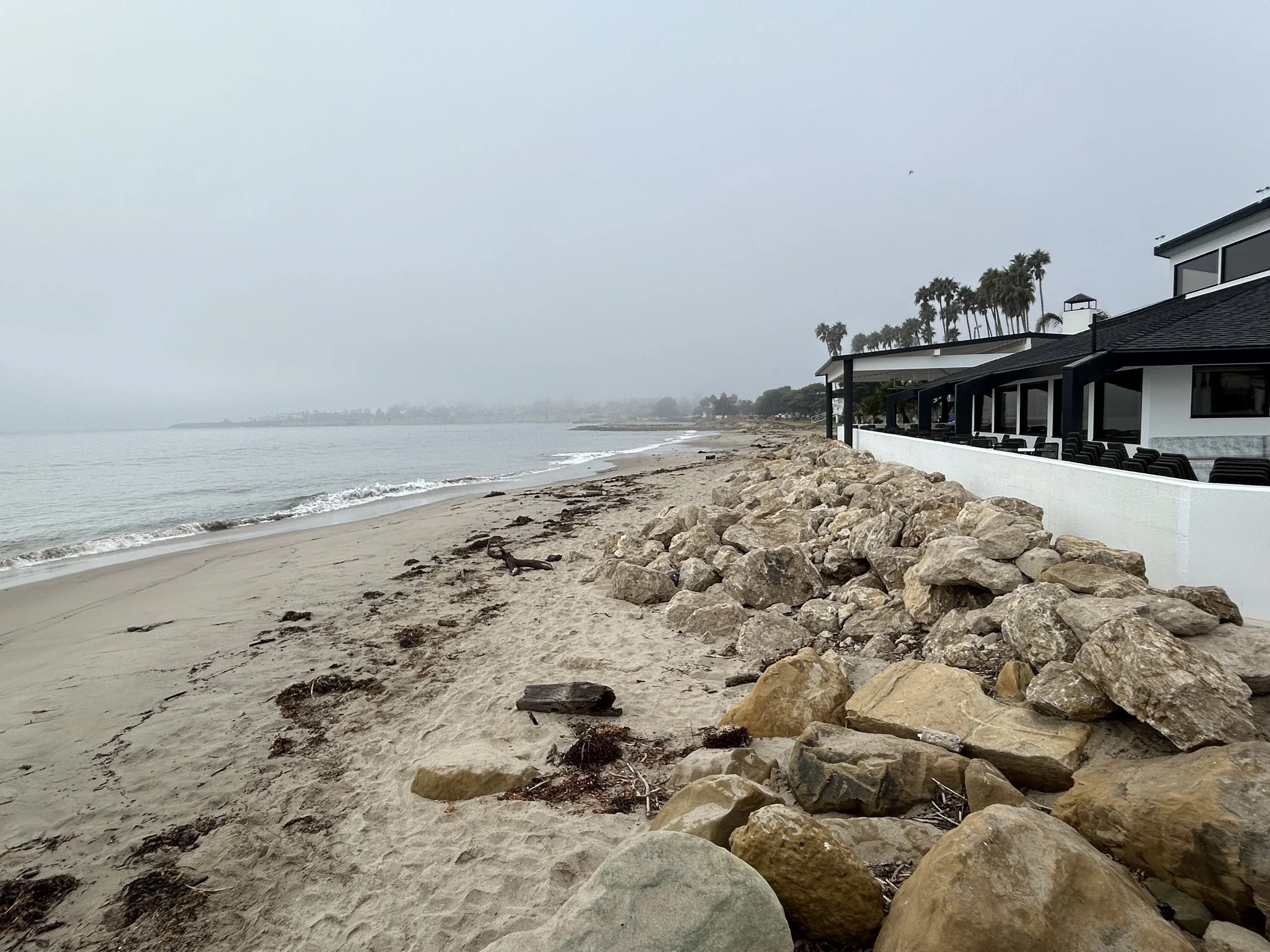
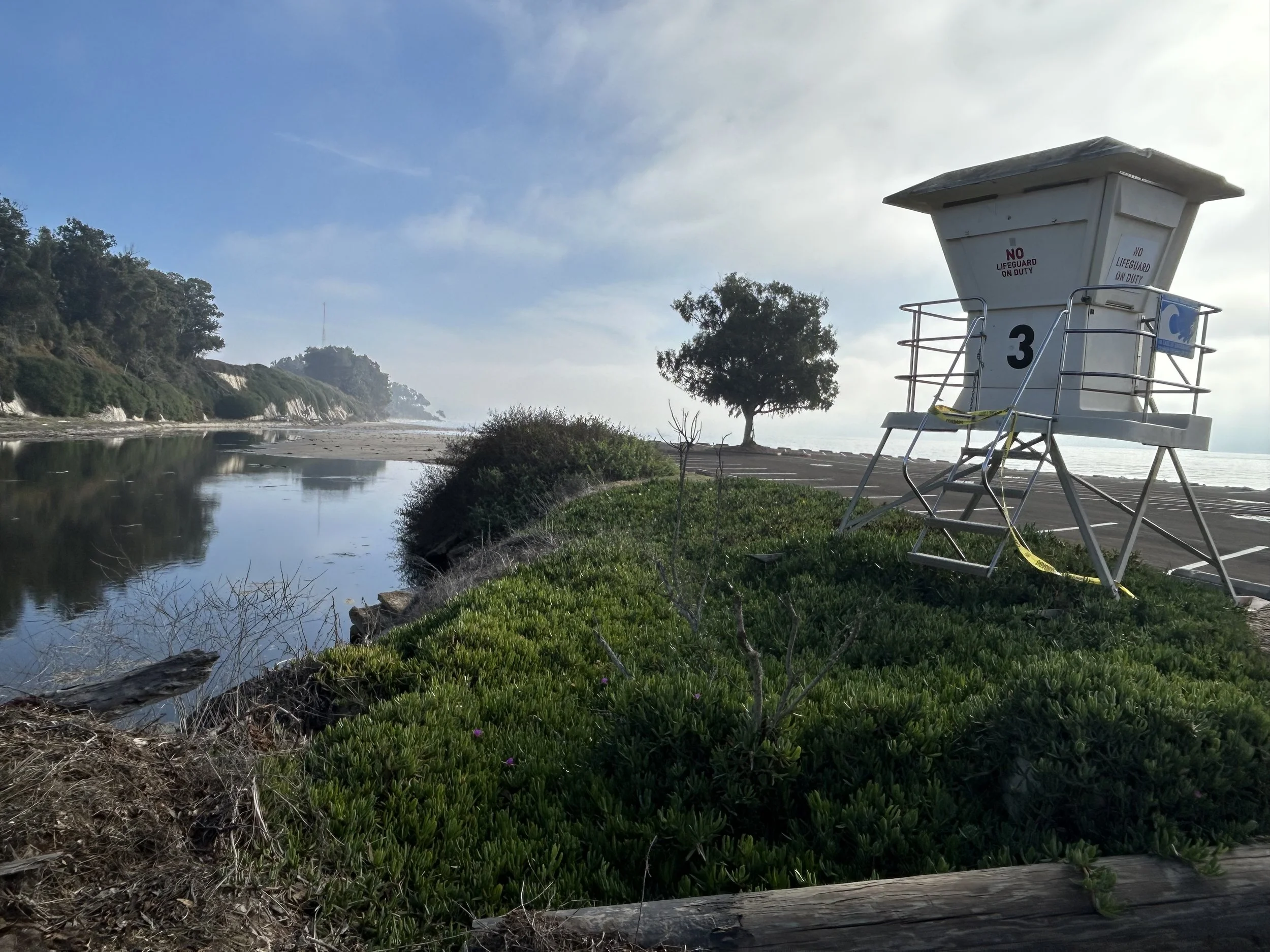
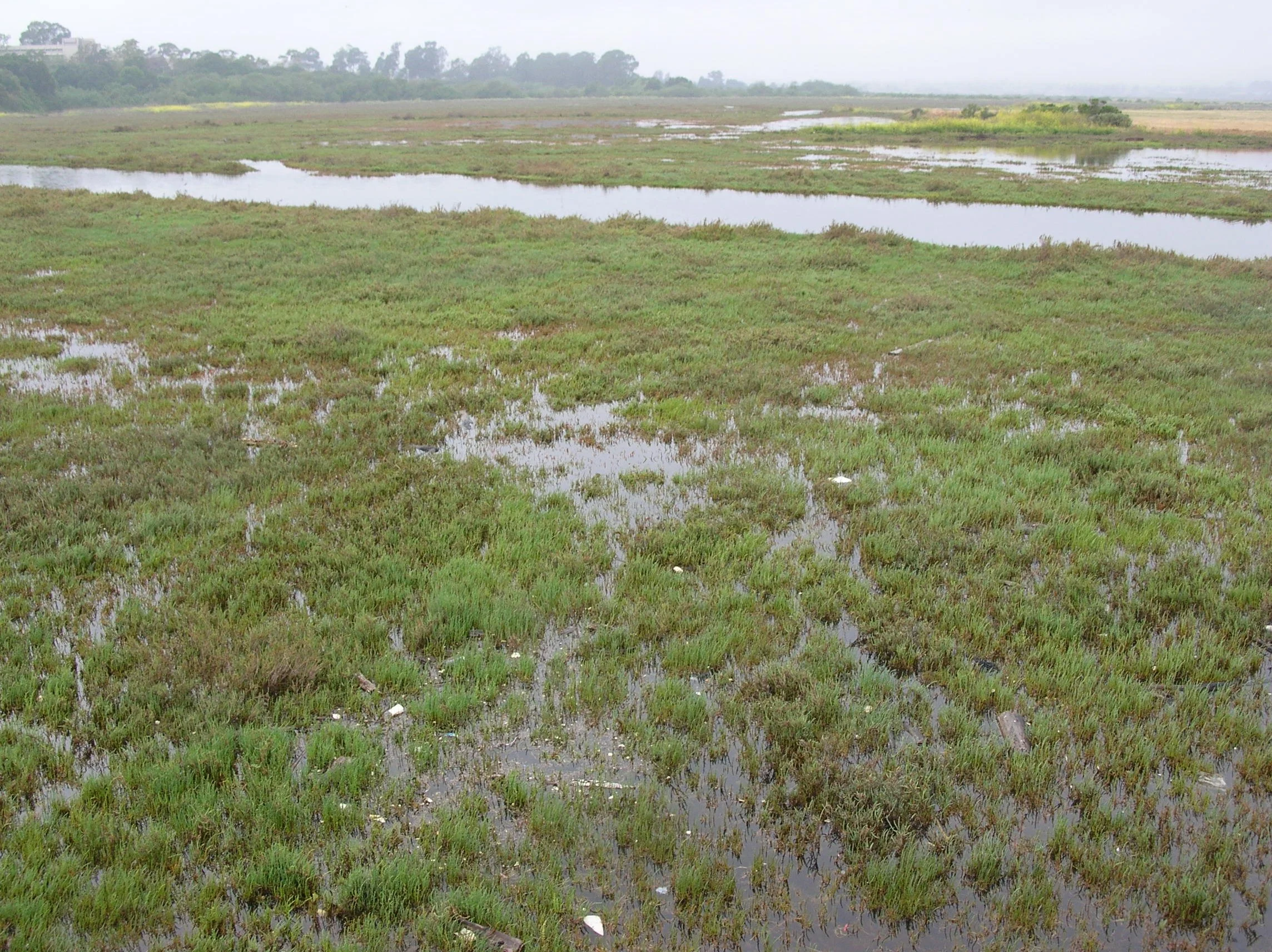
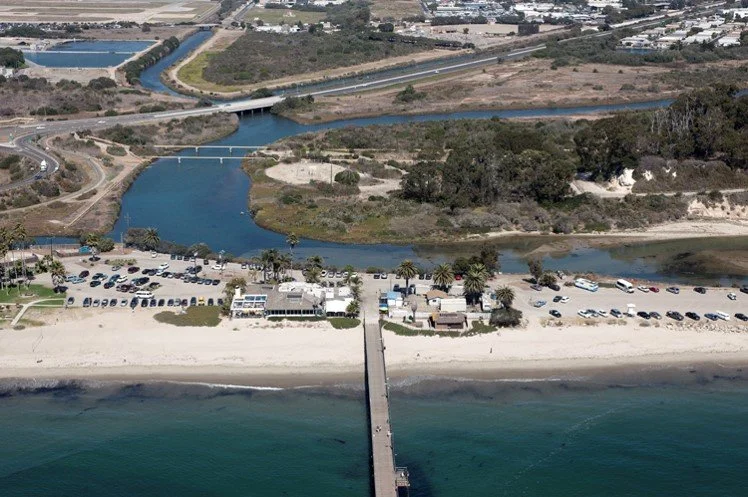
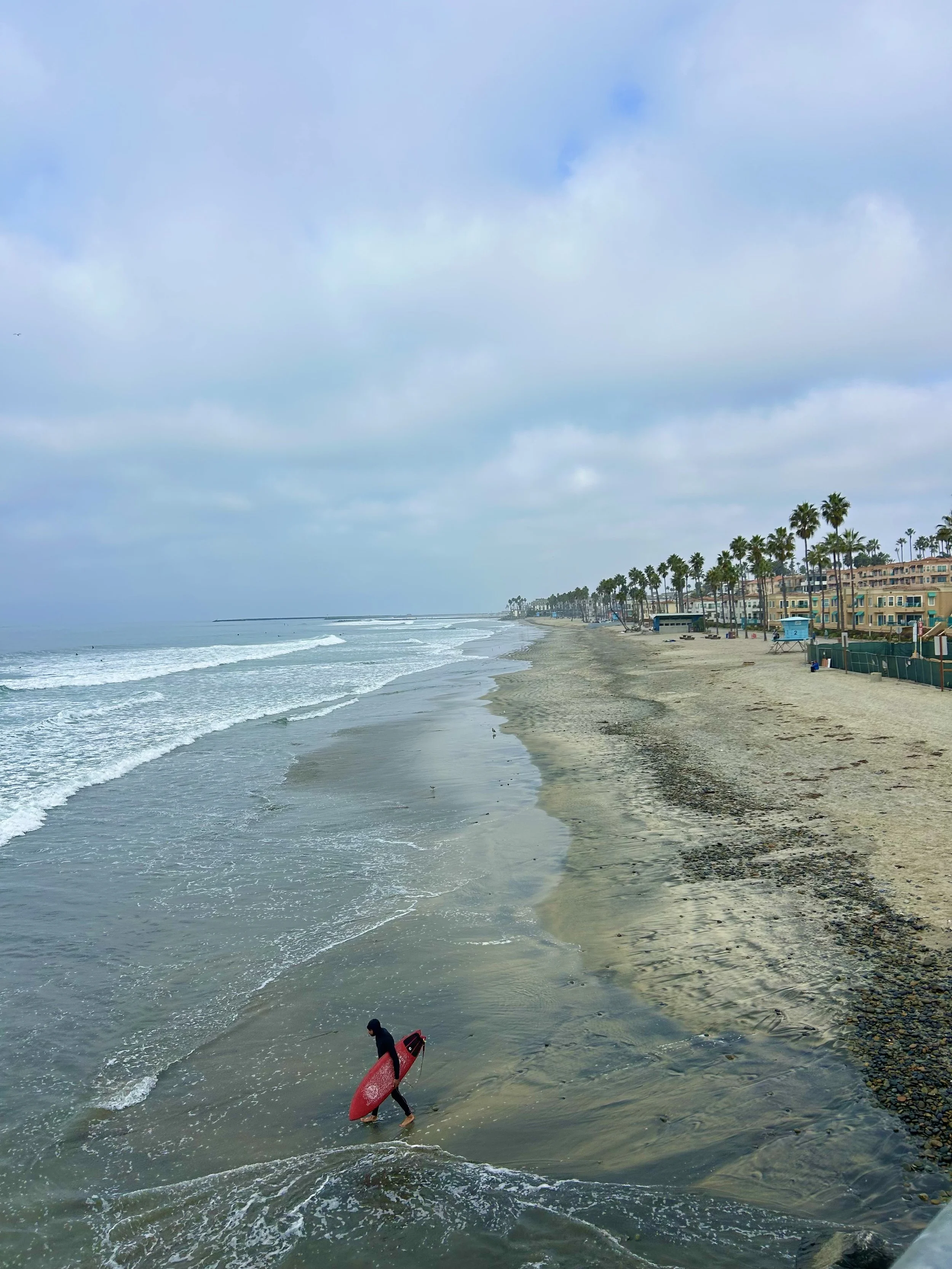
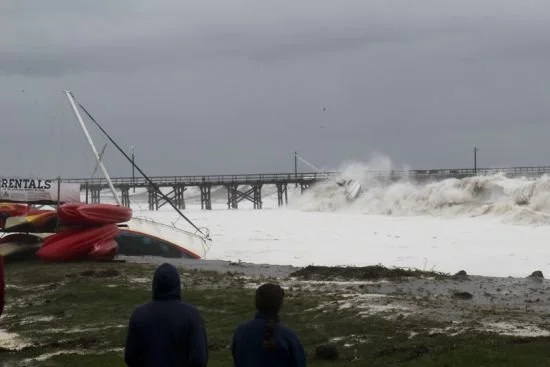
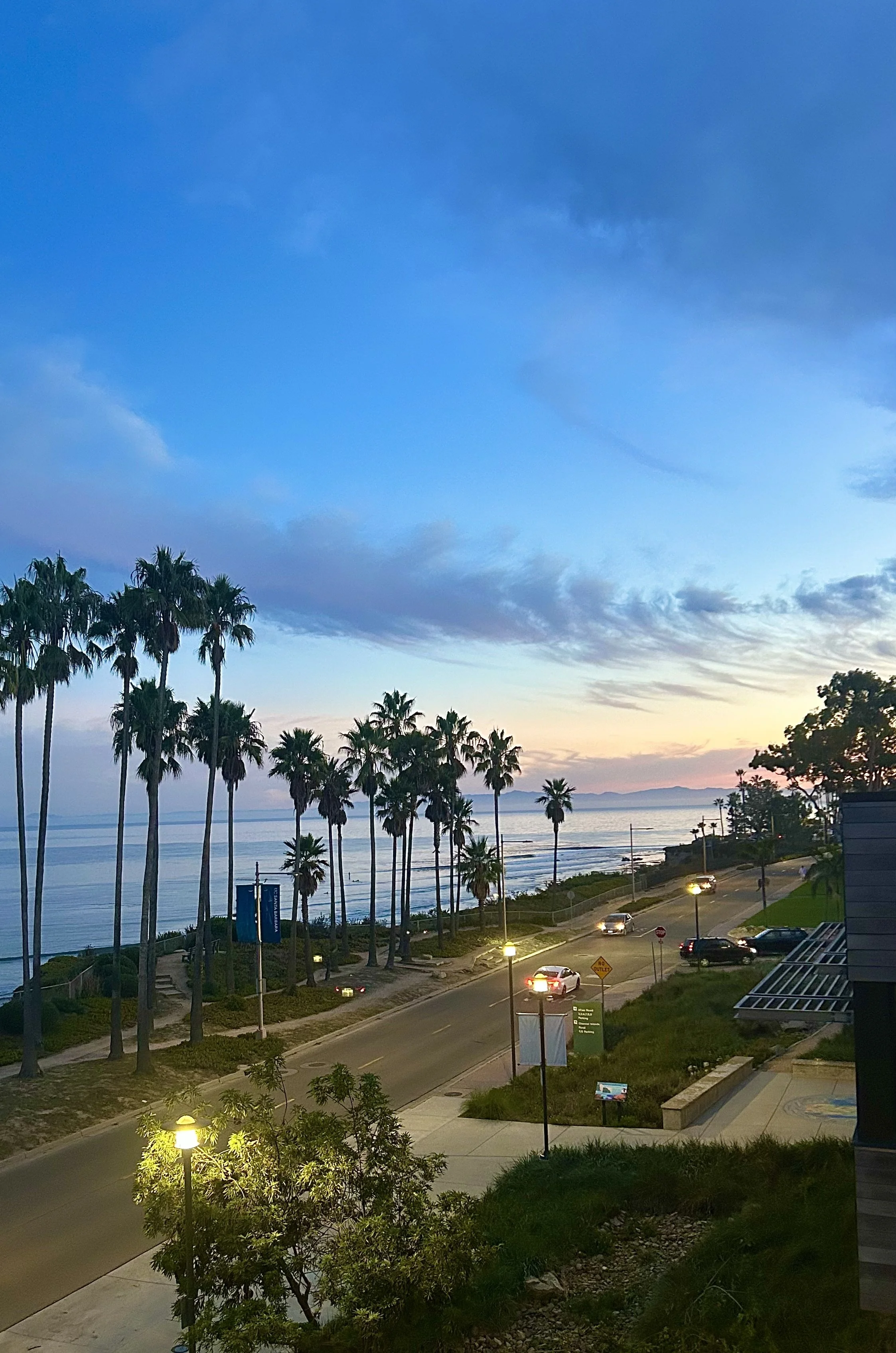
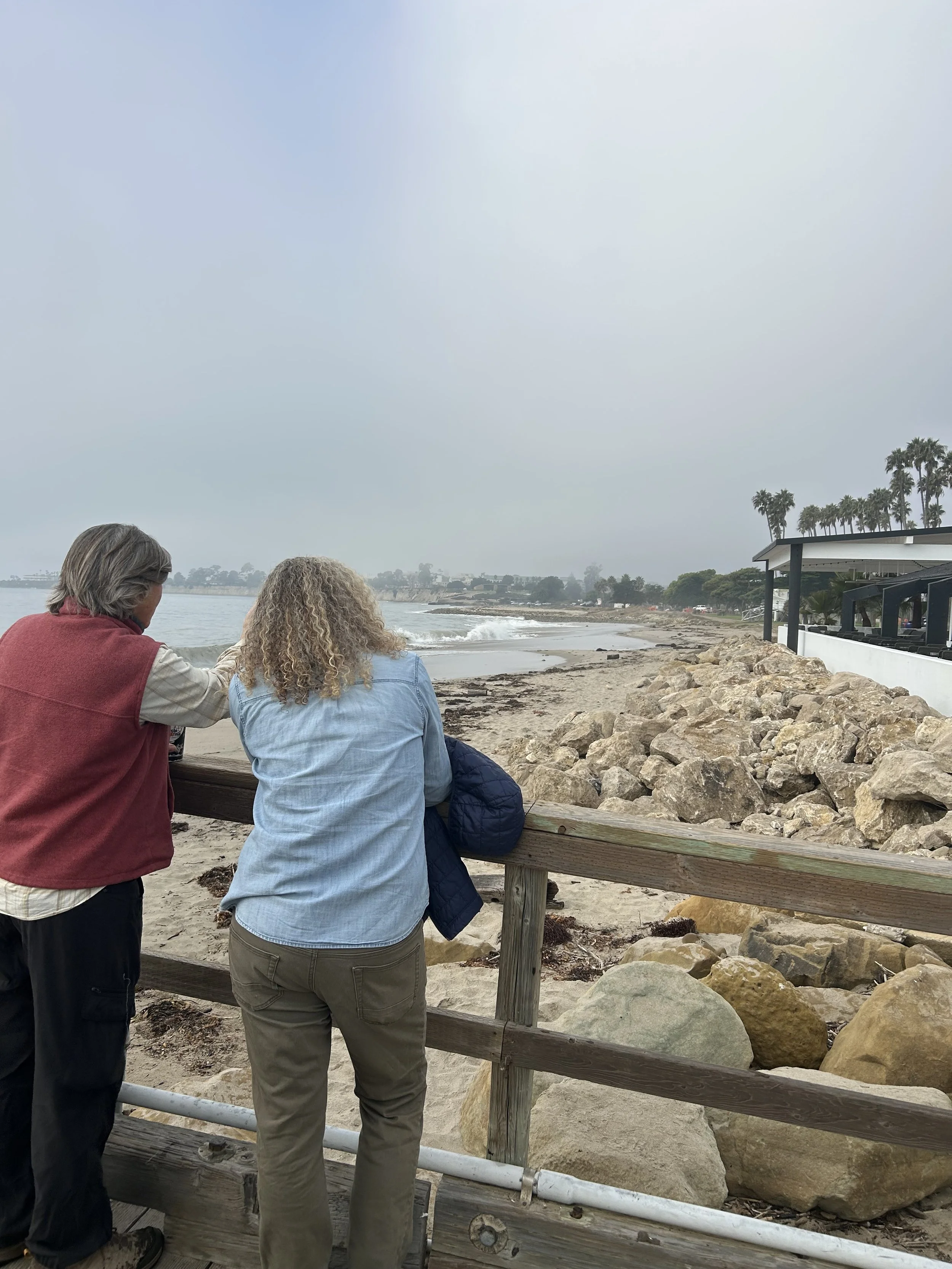
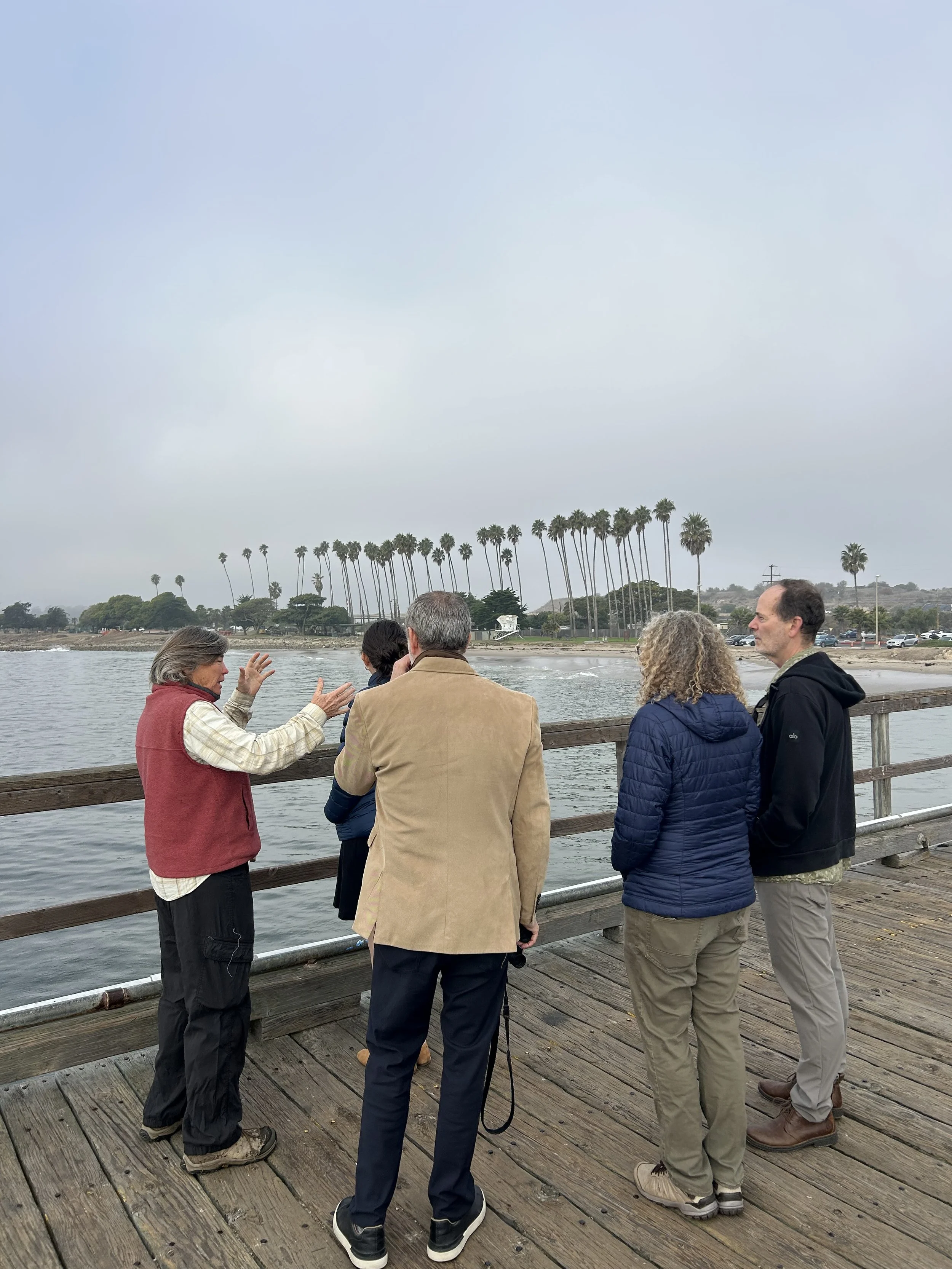
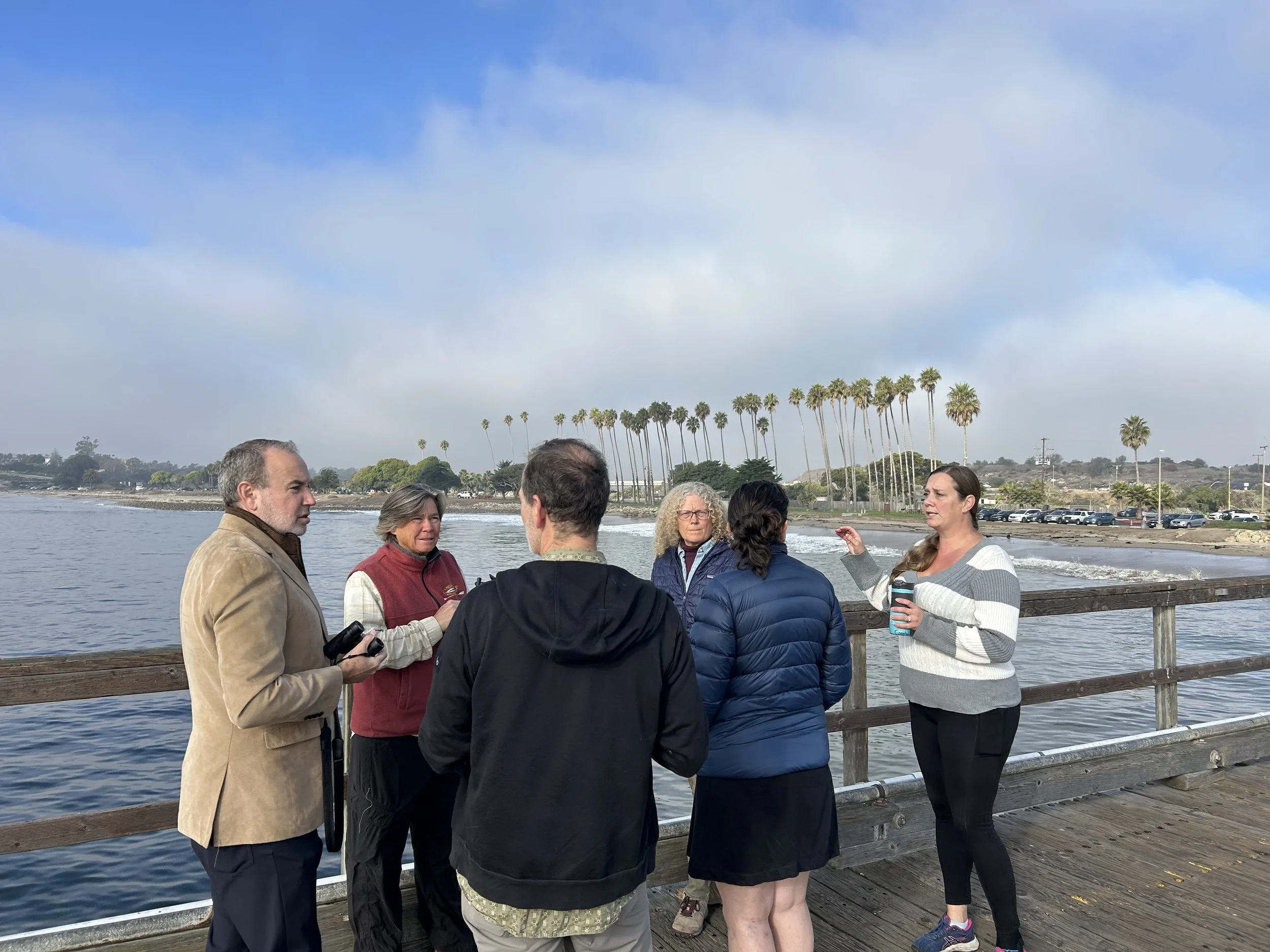
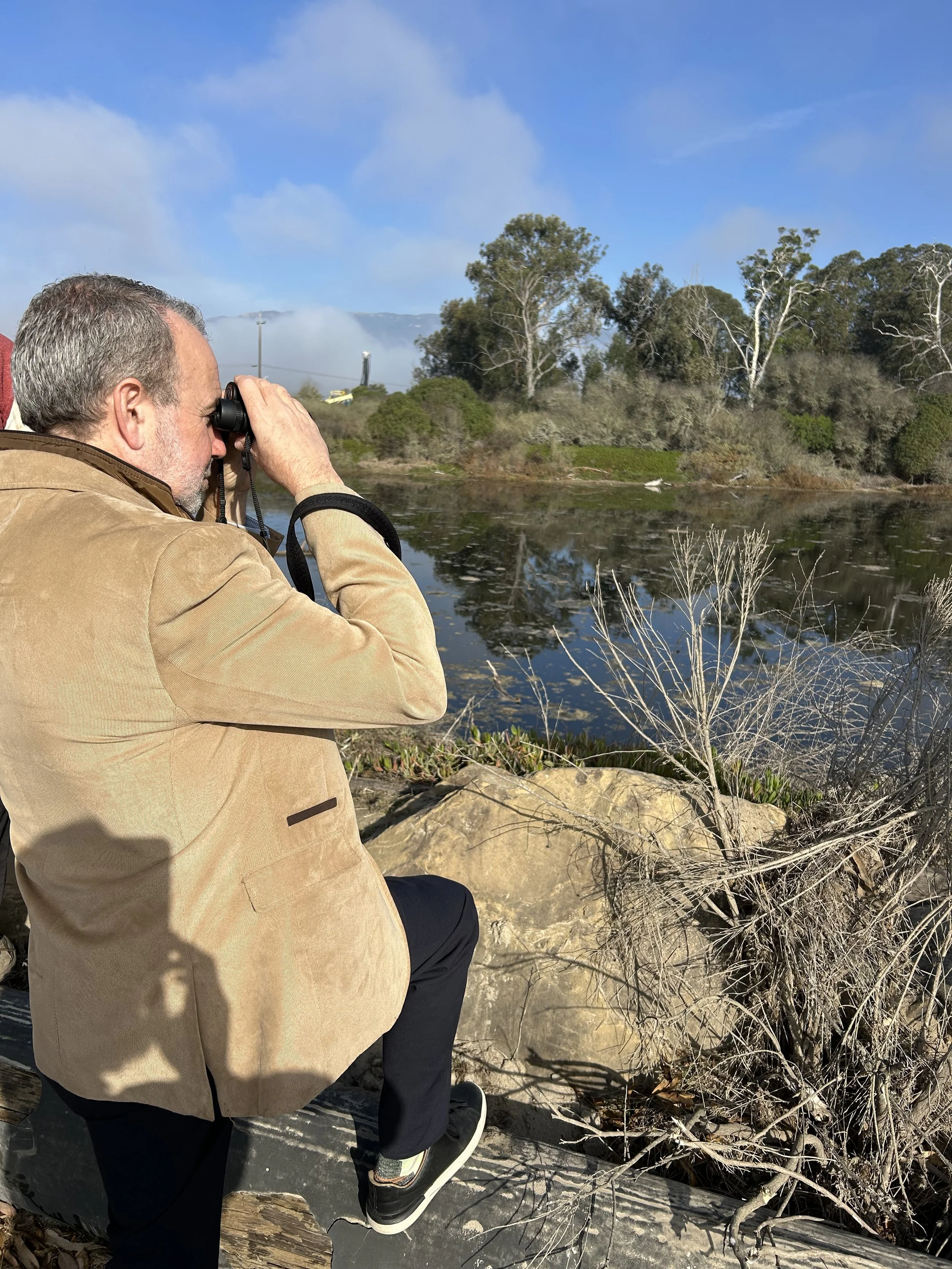
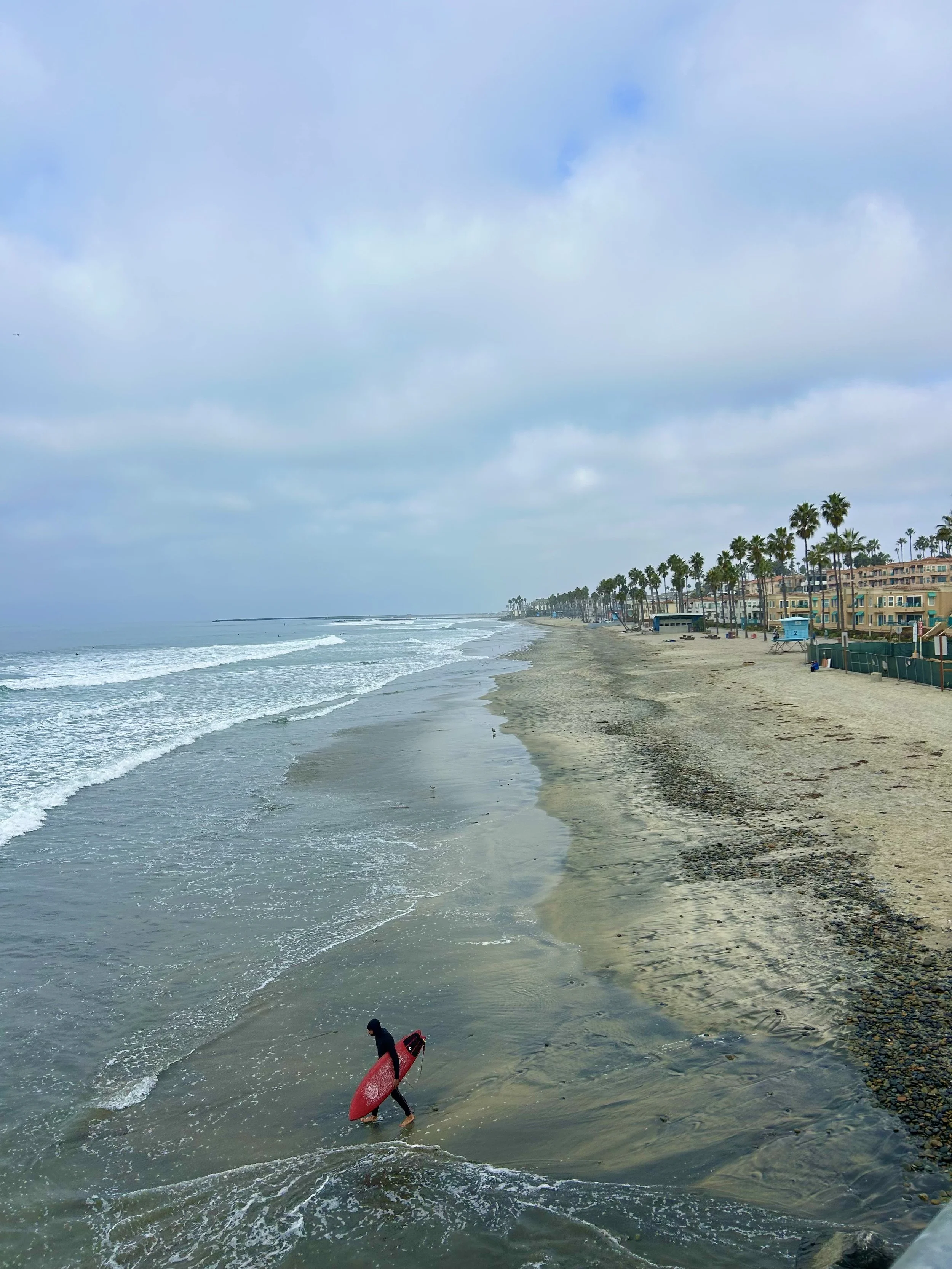
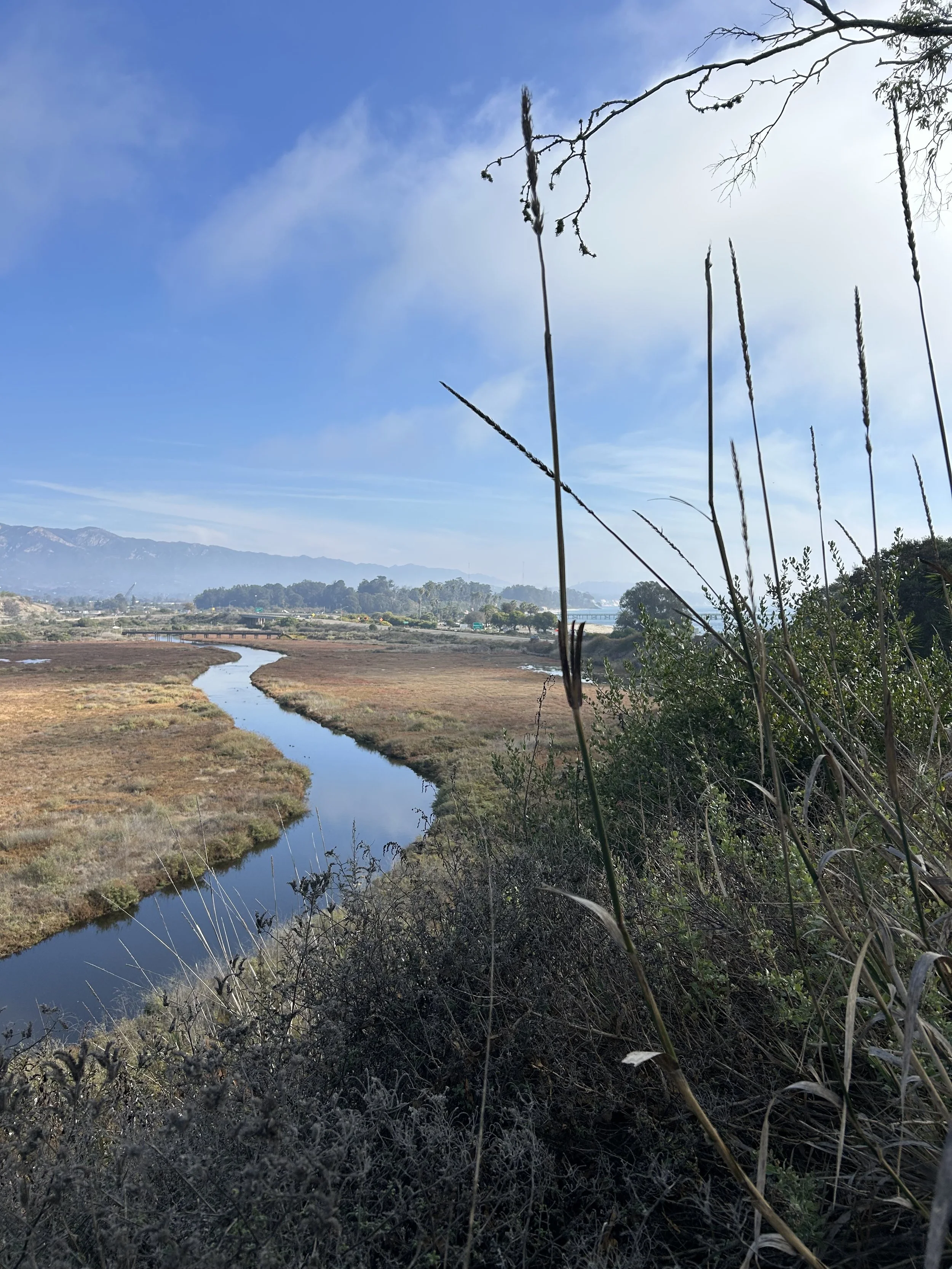
The Goleta Slough is many things: in addition to being a coastal wetland system, estuarine marine protected area, endangered species habitat, and tribal cultural site, it is also the location of critical regional and inter-regional transportation and utility infrastructure, including a national airport, an important state and local road network, a public access point for recreation, and the backyard for many residents in the City of Goleta, the University of California Santa Barbara (UCSB), and Santa Barbara County.
The Goleta Slough watershed encompasses approximately 48.2 square miles in Santa Barbara County and includes the drainage from creek that carry freshwater and sediment from the Santa Ynez Mountains, converging into the Slough before discharging into the Pacific Ocean. The Slough is a dynamic coastal wetland ecosystem, known as a bar built estuary, that receives fresh water and sediment from multiple creeks, intermittently connects to the ocean tides that creates a salt marsh conditions, with a mix of saltwater, brackish, and freshwater habitats that supporting a variety of species.
For more detailed on the Slough’s ecosystem and its protections, read the report or visit the CA Department of Fish & Wildlife website.
The History
The Goleta Slough area has been shaped by both natural processes and human use for centuries. As the original stewards of the Goleta Valley, and the Goleta Slough, the Chumash maintained the natural ecosystem for thousands of years as an extensive, tidally influenced wetland used for fishing, hunting waterfowl, harvesting plants, and as part of a broader network of coastal and inland trade and travel routes. A large Chumash village known as Helo’ was one of many important cultural sites historically located on Mescaltitlan Island and in the Slough.
Following Spanish colonization in the late 1700s, land use around the slough began to shift as ranching and agriculture expanded under the mission and rancho systems. In the 1800s, during Mexican and later American periods, grazing, farming, and early infrastructure projects led to increased sedimentation and the first alterations to creek channels and wetlands. By the late 19th and early 20th centuries, drainage, diking, and filling accelerated to support agriculture, rail lines, roads, and eventually airport development, significantly reducing the size of the slough and disconnecting it from natural tidal processes. In the 1940s, the island was partially leveled during the construction of the Santa Barbara Airport, and was used to fill marsh and salt flat habitats, an act which significantly impacted the cultural resources there and permanently altered the estuarine landscape.
These changes set the stage for 20th-century recognition of the slough’s ecological value and subsequent efforts to protect and manage what remains as a critical coastal wetland. For more detailed history on the Slough, read the report or visit the Goleta History website.
Goleta Slough Resilience Acceleration Initiative
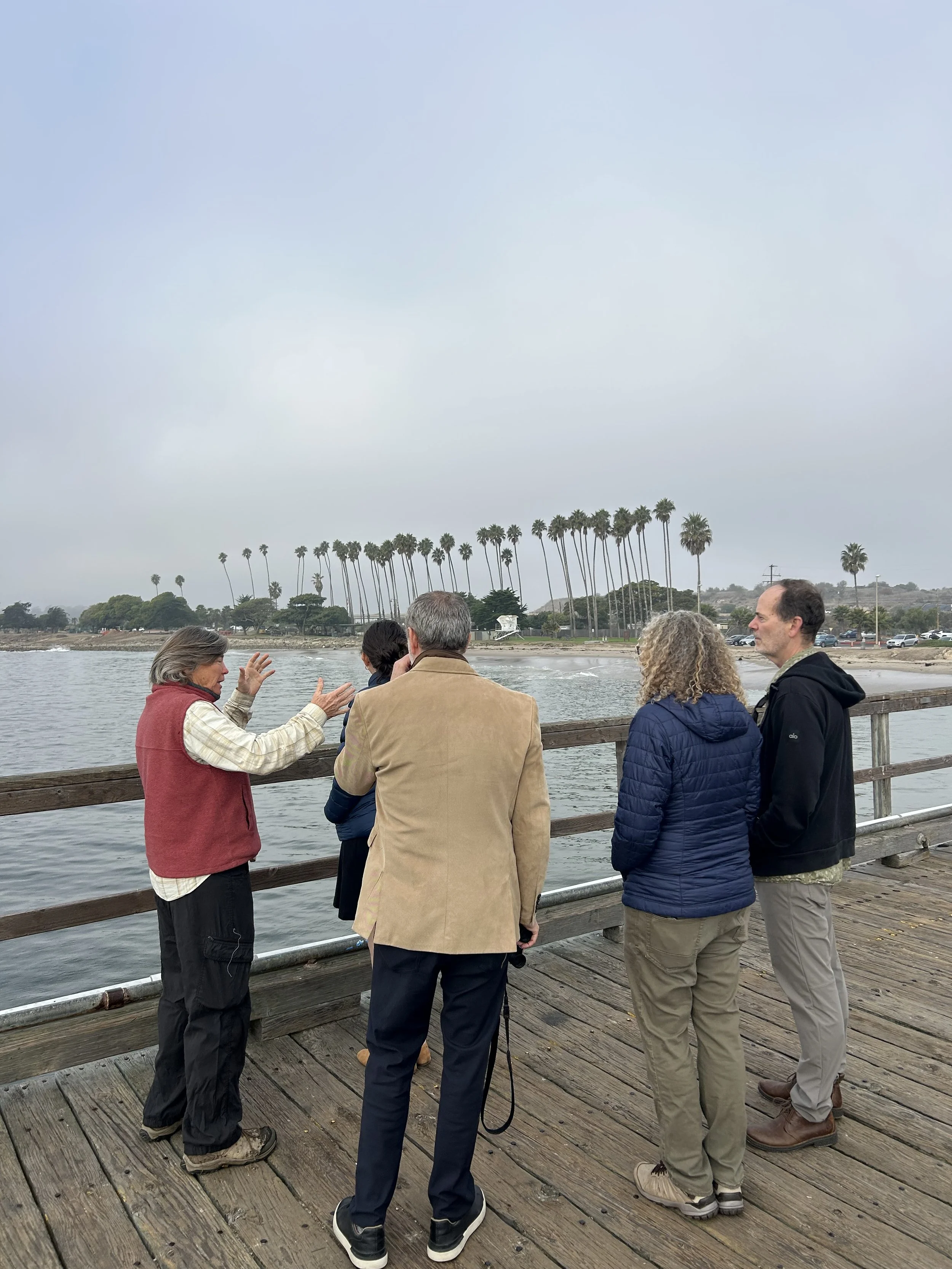
The Goleta Slough Resilience Acceleration Initiative will work directly with community members and vested local experts in the Santa Barbara region to identify and advance resilience-building for the community, infrastructure, and natural ecosystem in and around the Goleta Slough. The initiative will ultimately support a shift from planning to implementation, furthering efforts that strengthen the natural ecosystem of the Slough and the surrounding coast to better adapt to impacts of climate change, mitigating the risk and harm to the community and the built environment and laying the foundation for a more resilient future for the region.
-
Resilient Cities Catalyst is working closely with local partners that bring unique expertise and knowledge to advance the initiative.
Tidal Influence
UCSB Marine Science Institute
Integral Consulting LLC
Heal the OceanThis project is generously supported by the California State Coastal Conversancy.
-
November 2024: Initiative launch
December 2024: Partners gathered in Goleta to conduct program design and do a site visit
January 2025: Engagement began
February 2025: Plan review analysis and digital repository build out started
December 2025: Report synthesizing plan review analysis published
January 2026: Next phase engagement began along with project catalog development
June 2026: Project selection requirements finalized and community engagement report out and vision made public
July-August 2026: Partners select projects for seed funding and technical support to advance toward implementation
-
Identify local climate-driven challenges through analysis of previously established regional priorities, via existing plans and available documents
Engage diverse stakeholders and community members to define community values and needs for the future
Identify a pipeline of coastal resilience projects that align with local priorities and address climate challenges
Resources
Learn more about the community engagement process, see results from the in-depth analysis conducted, or access catalogs of plans, stakeholders, or projects.
Explore the Slough
This interactive map allows users to explore the geography of the Slough including the preserved wetland ecosystem, established infrastructure, and predicted climate and development impacts, like sea level rise, population growth, and more.