
California Coastal Accelerator Cohort Profile

ALAMEDA
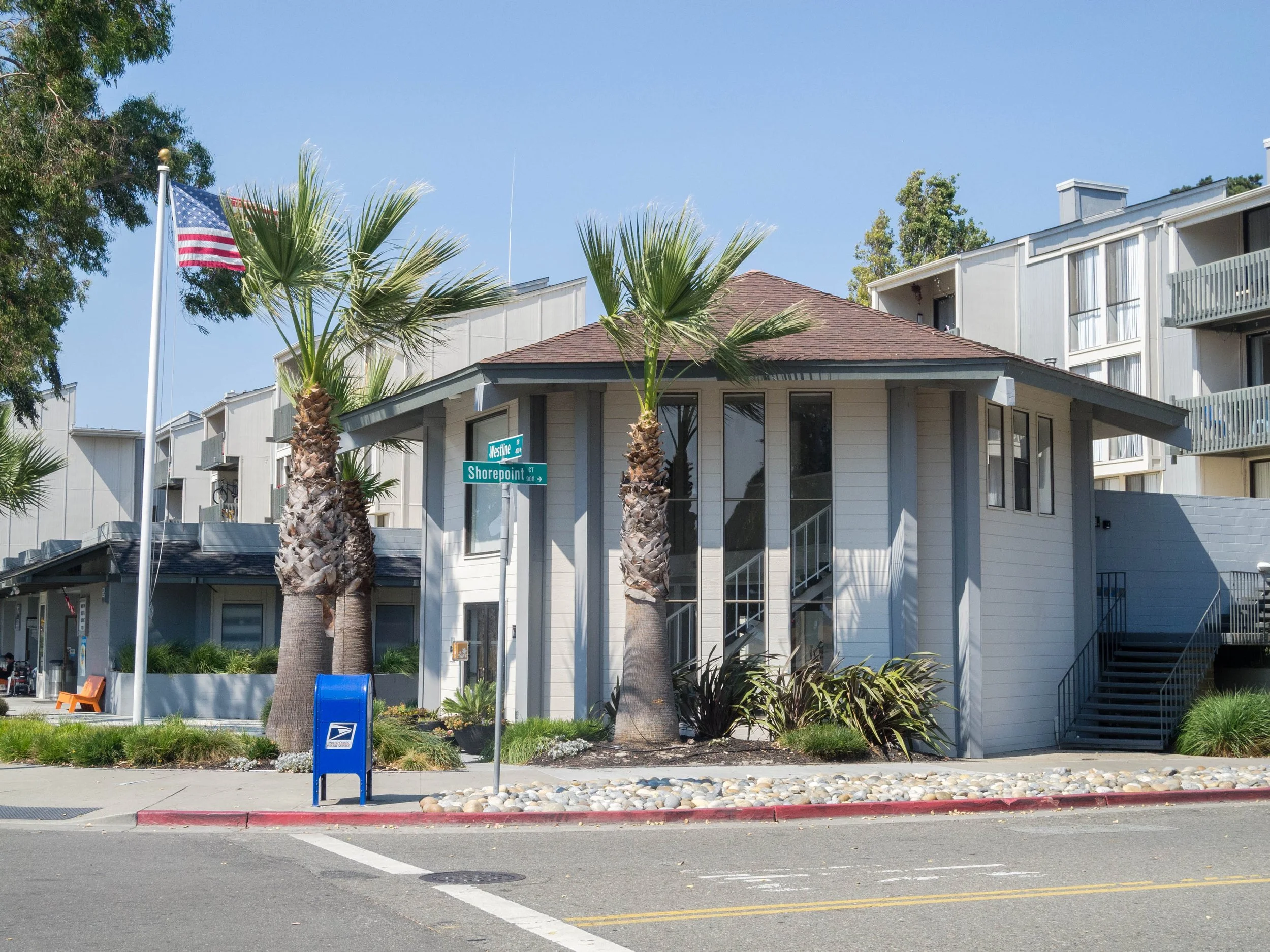
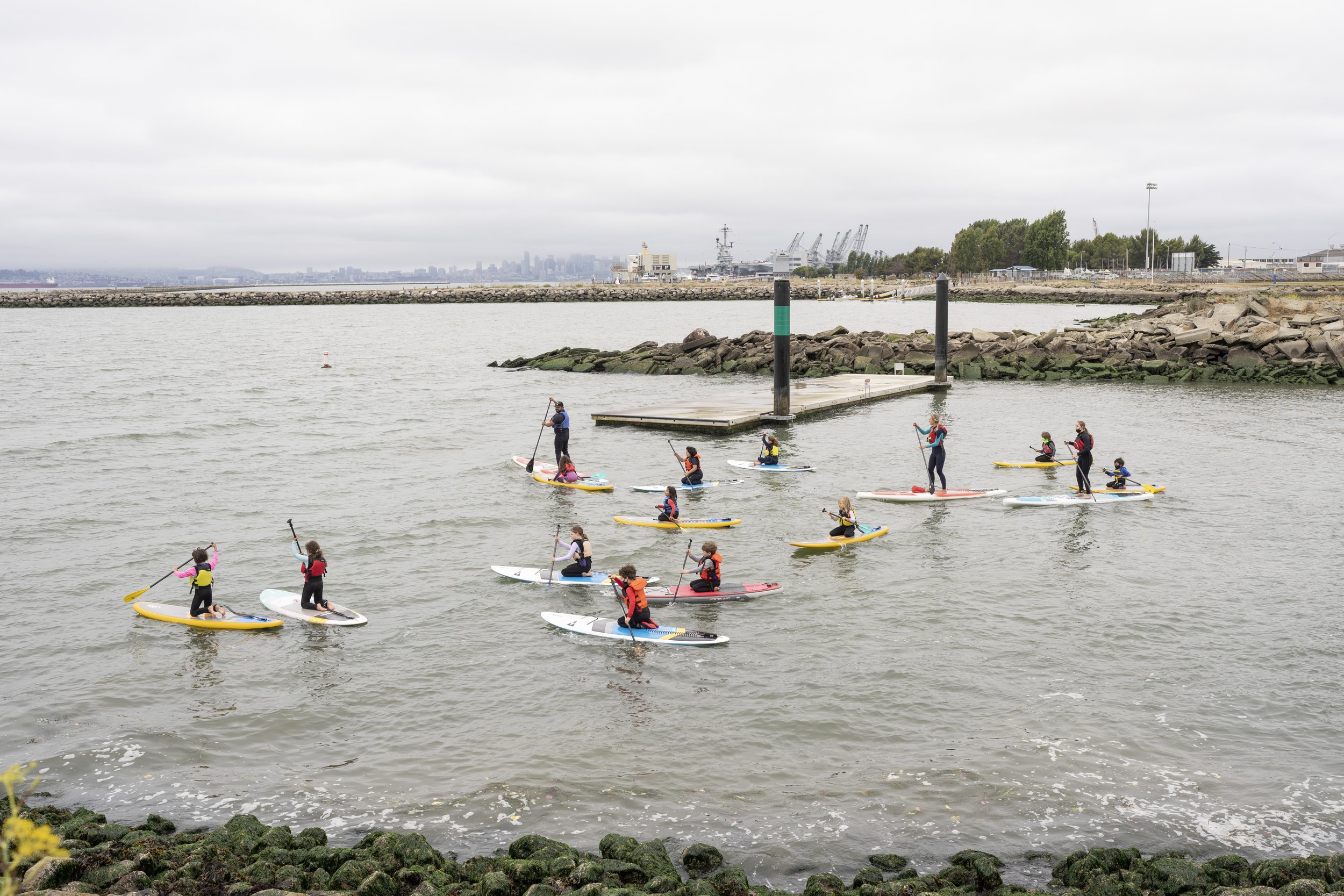
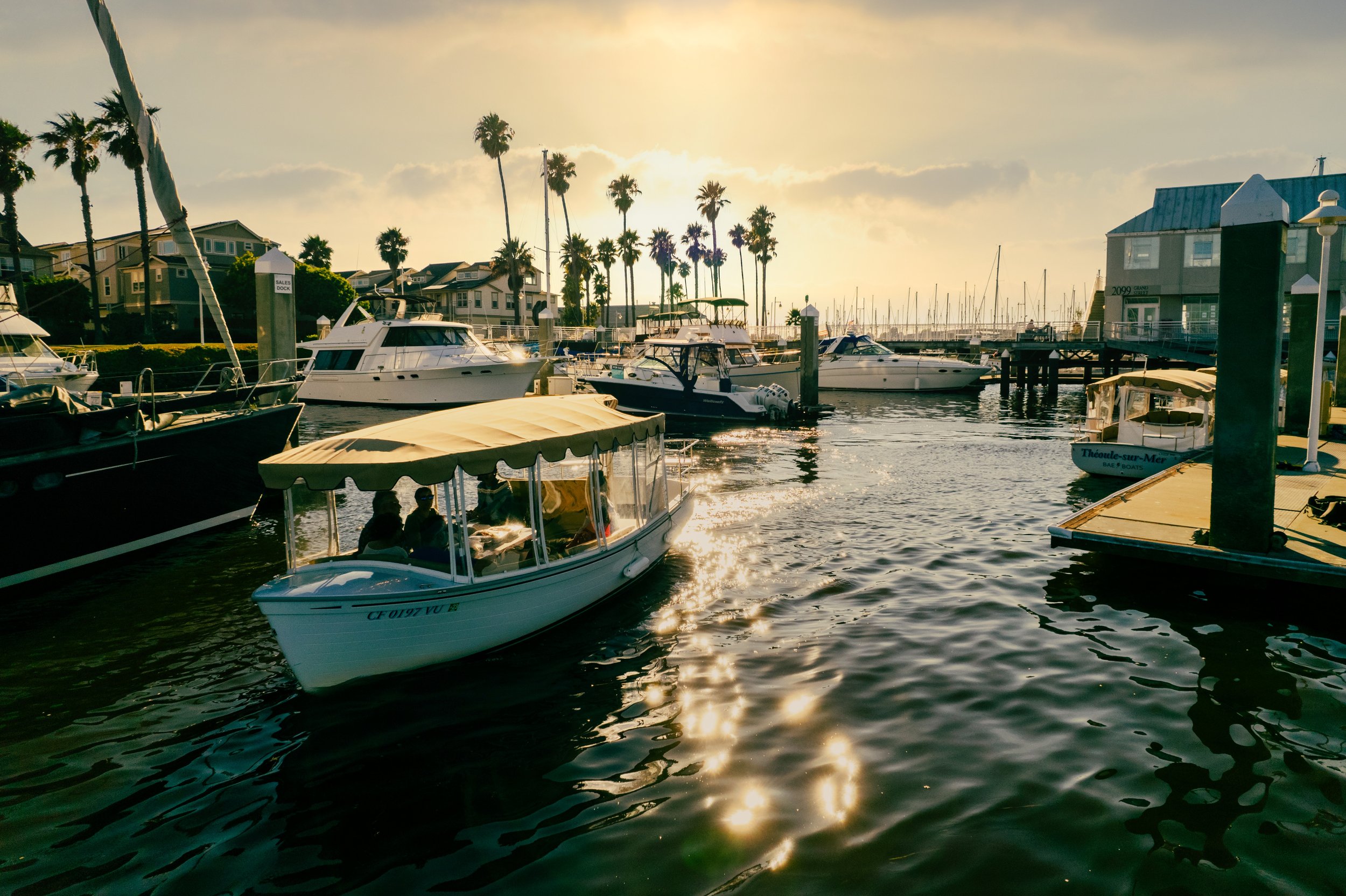
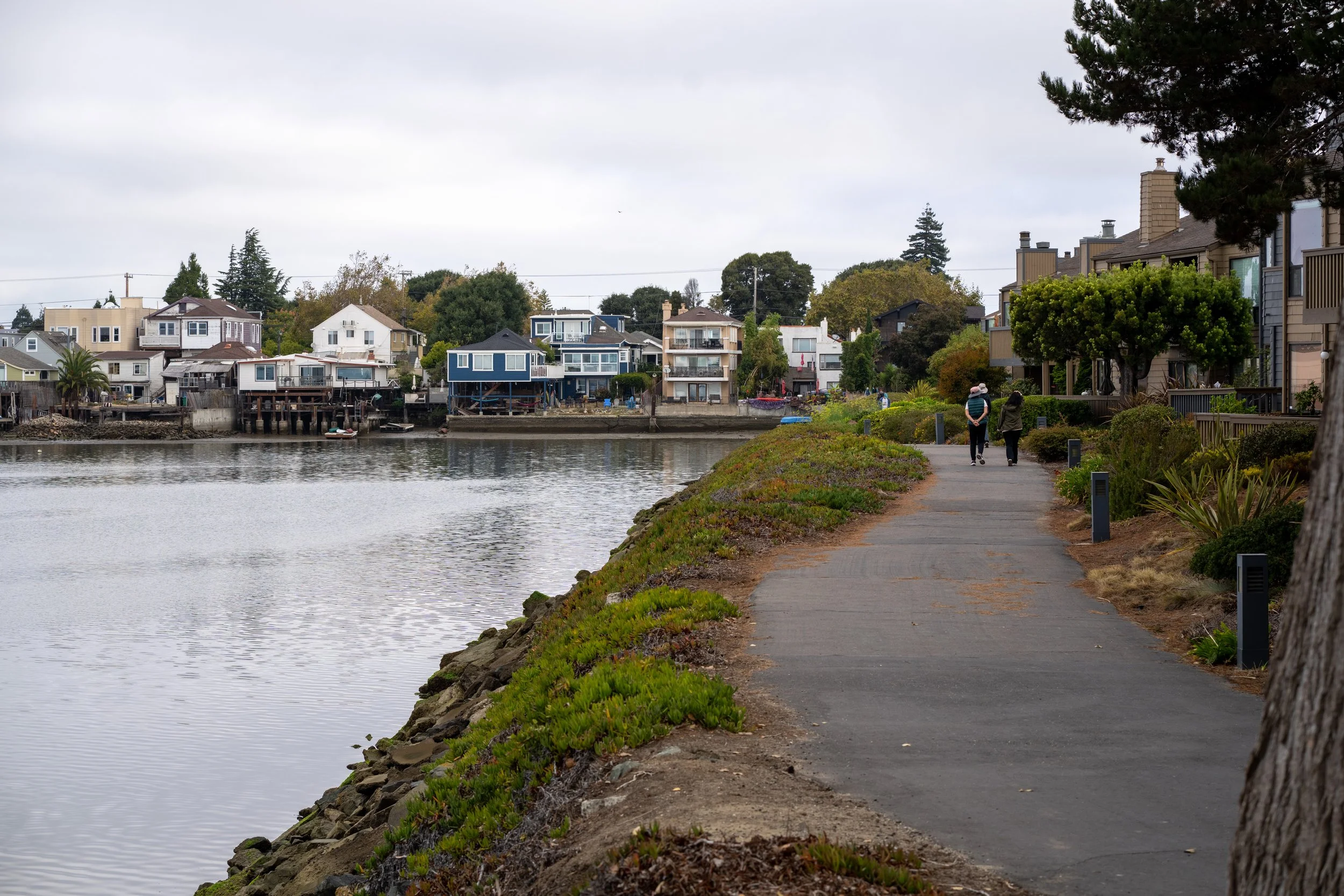
Located in the San Francisco Bay, Alameda is the largest island community in California, comprising Alameda Island, Bay Farm Island, and Coast Guard Island. With approximately 25 miles of shoreline, the city is deeply shaped by its relationship to the Bay — physically, ecologically, and culturally. Alameda’s coastline frames everyday life, offering swimming beaches, shoreline parks, walking trails, bird sanctuaries, marshland, and sweeping views of San Francisco.
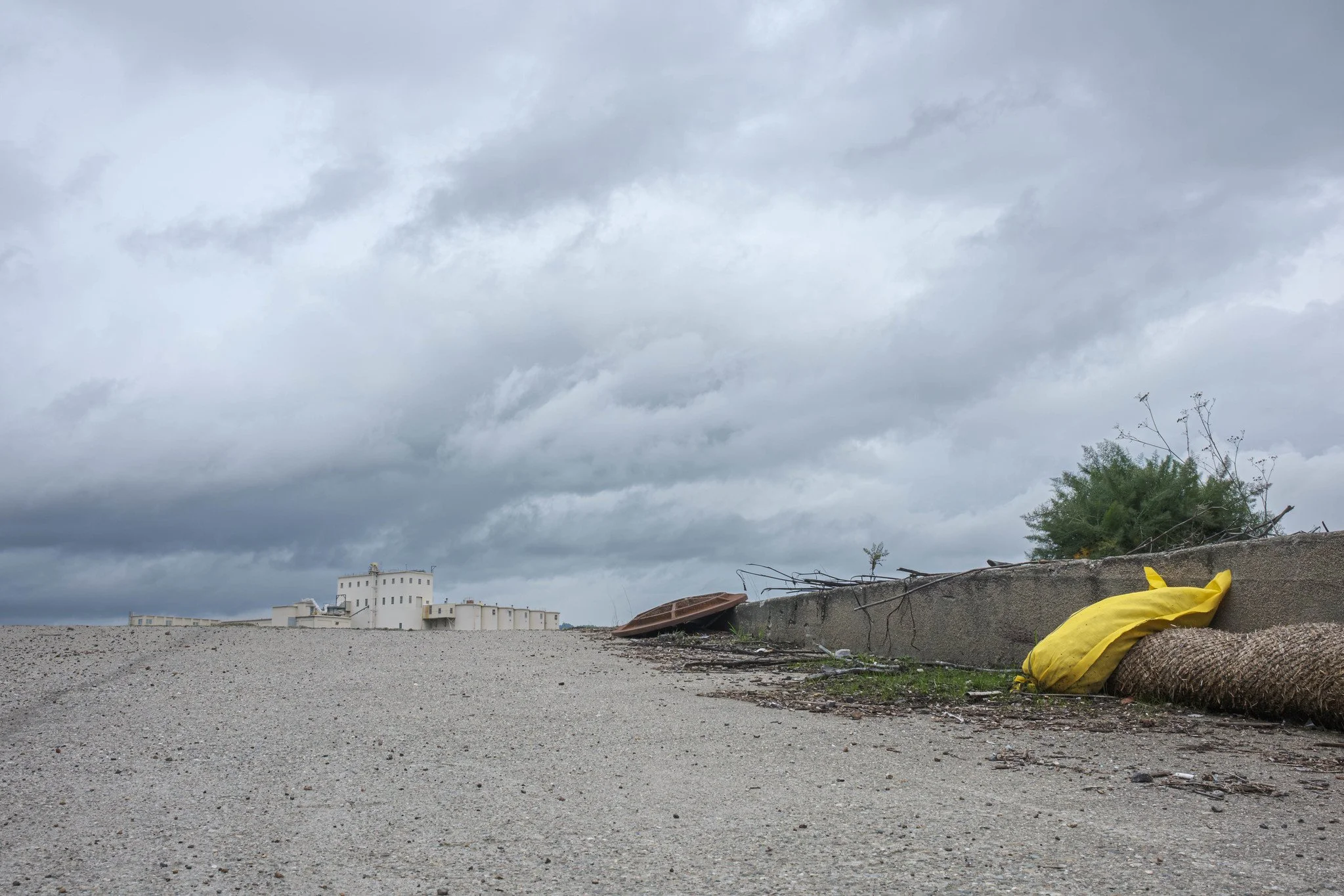
At low tide, mudflats extend roughly a quarter mile from shore, revealing a dynamic intertidal landscape that underscores how closely the city is tied to tidal rhythms and Bay ecology. These natural features are both cherished community assets and critical components of the region’s coastal system.
-
At the same time, Alameda’s shoreline is highly developed. In many areas, homes and infrastructure are built directly to the water’s edge, leaving little room to retreat or adapt. About one-third of the city’s land area is former Naval Air Station Alameda, which has been undergoing significant redevelopment since its transfer from the U.S. Navy to the City in 2013. This redevelopment brings opportunity, but also adds complexity as Alameda plans for long-term resilience within a constrained island geography.
-
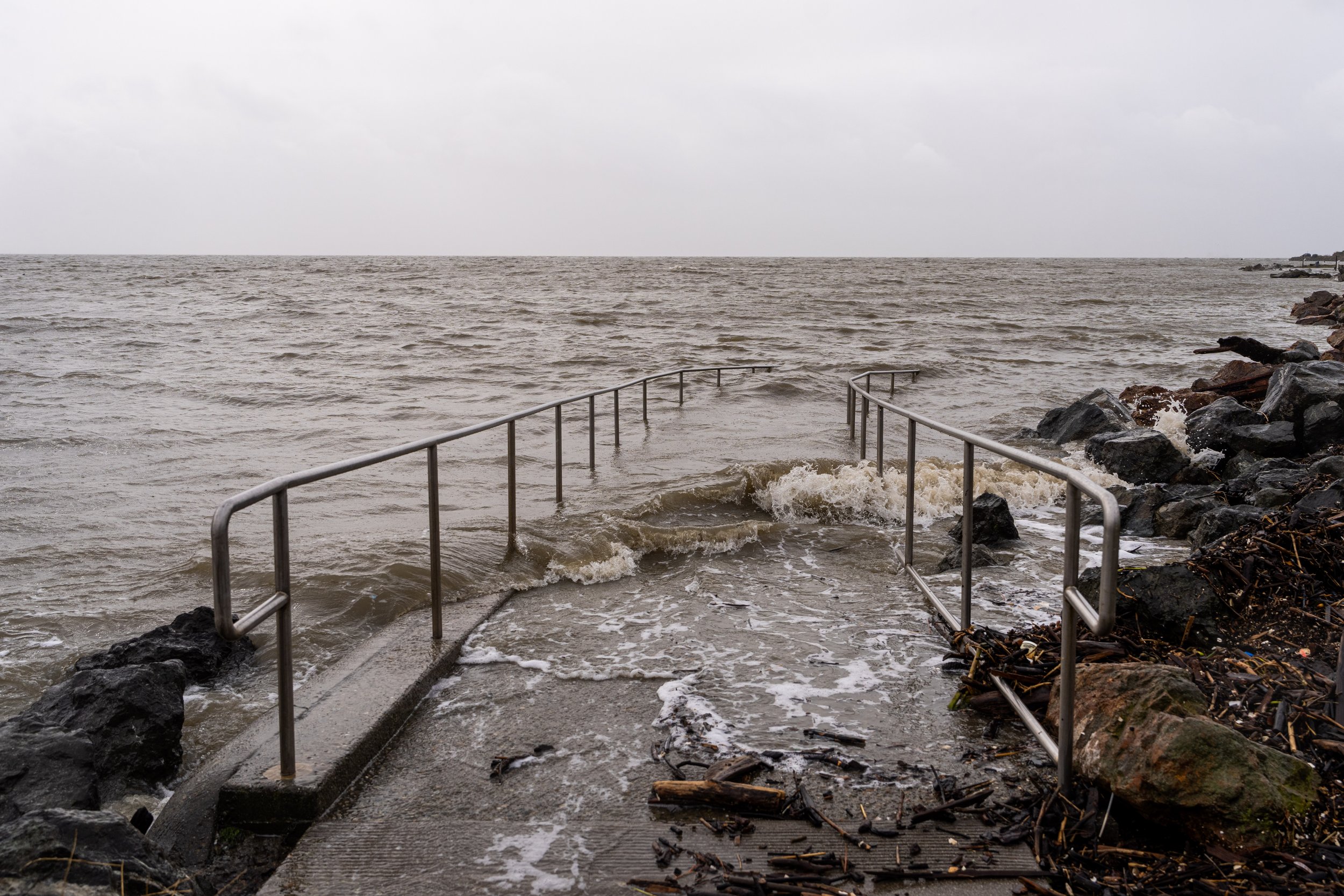
Sea level rise presents an existential challenge for Alameda. Much of the city’s extensive shoreline needs to be adapted, yet nature-based approaches often require more horizontal space than is available. Protecting people, infrastructure, ecosystems, and public access will require significant investment and difficult tradeoffs, particularly where space is limited and competing needs converge.
-
Alameda is a tight-knit, generous, and engaged community that takes pride in its island identity. While sea level rise is not always the most urgent issue raised in public forums, residents are mindful of the city’s vulnerability and concerned about Alameda’s future. To support inclusive engagement, the City works with paid community partners — including Greenbelt Alliance, Hood Planning Group, Community Action for a Sustainable Alameda, Ninth Root, REAP Climate Center, and the local tribe Sogorea Te Land Trust/Lisjan Nation.
-
Alameda’s climate challenges are inseparable from the broader Bay Area. Since 2021, the City has led the Oakland–Alameda Adaptation Committee to identify regional priorities and align local actions for sea level rise adaptation, recognizing that successful solutions require collaboration across jurisdictions.

Leadership Perspective
Danielle Meiler, Sustainability and Resilience Manager, City of Alameda
Danielle Mieler brings a clear-eyed perspective to Alameda’s resilience work, grounded in both the city’s unique conditions and its shared challenges with other coastal communities.
“Our shoreline includes swimming beaches, bird sanctuary areas, shoreline parks and trails, and nesting areas for endangered birds,” she notes, underscoring the breadth of assets at stake.

Danielle is particularly focused on adapting Alameda’s beaches and bird sanctuary areas to rising seas, as well as rethinking segments of the Bay Trail on Bay Farm Island to accommodate more natural features, including habitat and restored marshland. These efforts aim to balance public access, ecological health, and long-term resilience.
At the same time, she is candid about the scale of the challenge. “We have 25 miles of shoreline, and much of it needs to be adapted for sea level rise. Our shoreline is also highly developed, and homes and infrastructure are built right to the edge in many places. Nature-based approaches take more horizontal space, and we don’t have room in a lot of places.”
For Danielle, the urgency is unmistakable. “Sea level rise is an existential crisis for Alameda. We need to figure this out to have a future as a city, but the cost will be significant, and it will require some difficult tradeoffs.”
She also sees value in learning alongside other coastal communities. “Every coastal town has its own unique challenges, but they also have many common challenges — like governance, community engagement, and funding and financing. We can learn from each other and develop better local processes by learning what has worked best in other locations.”