
California Coastal Accelerator Cohort Profile
FORT BRAGG
Located in the San Francisco Bay, Alameda is the largest island community in California, comprising Alameda Island, Bay Farm Island, and Coast Guard Island. With approximately 25 miles of shoreline, the city is deeply shaped by its relationship to the Bay — physically, ecologically, and culturally. Alameda’s coastline frames everyday life, offering swimming beaches, shoreline parks, walking trails, bird sanctuaries, marshland, and sweeping views of San Francisco.
At low tide, mudflats extend roughly a quarter mile from shore, revealing a dynamic intertidal landscape that underscores how closely the city is tied to tidal rhythms and Bay ecology. These natural features are both cherished community assets and critical components of the region’s coastal system.
-
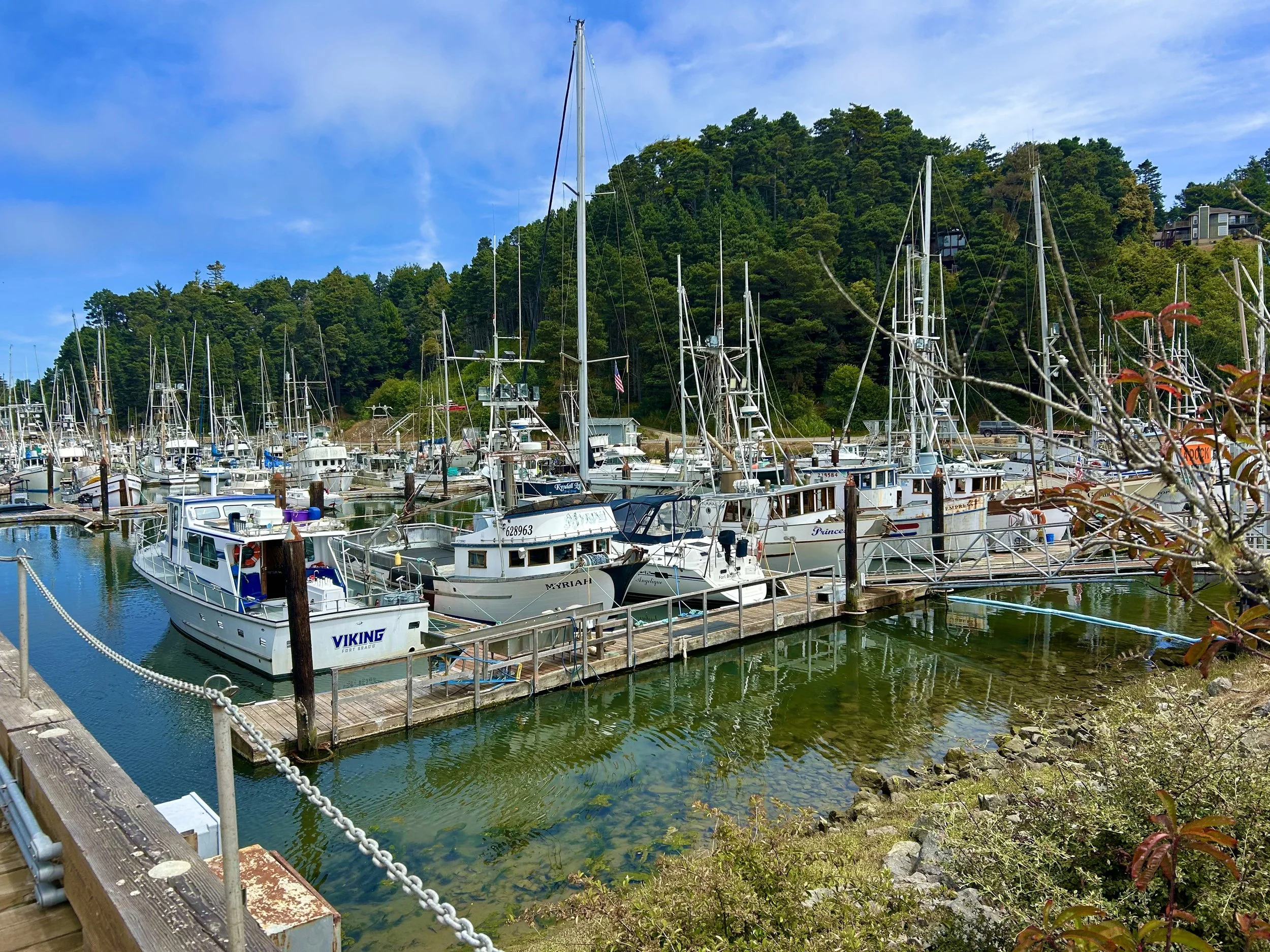
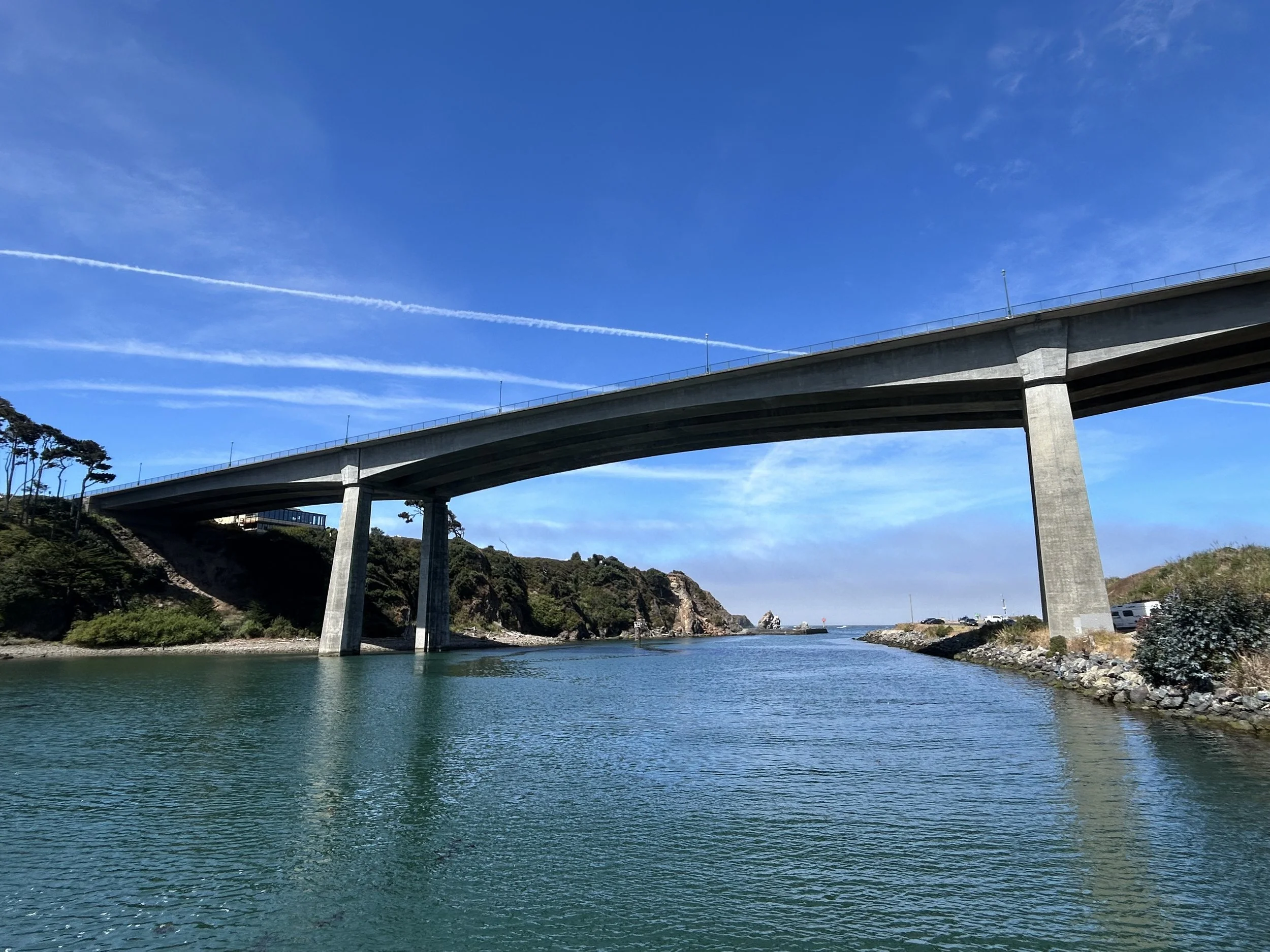
Located on the Mendocino Coast in Northern California, Fort Bragg is shaped by a dramatic meeting of land and sea. The wild landscape, shifting weather, and powerful coastal conditions create a deep connection to place — one defined as much by ecological richness as by a strong sense of community. Coastal marine ecosystems, dunes, wetlands, forests, and blufftops form a continuous natural system that is shared and valued by humans and wildlife alike.
Fort Bragg’s small-town character, limited traffic, clean air, and slower pace of life contribute to a deep sense of belonging. The coast is not just scenery — it is lived, worked, and stewarded.
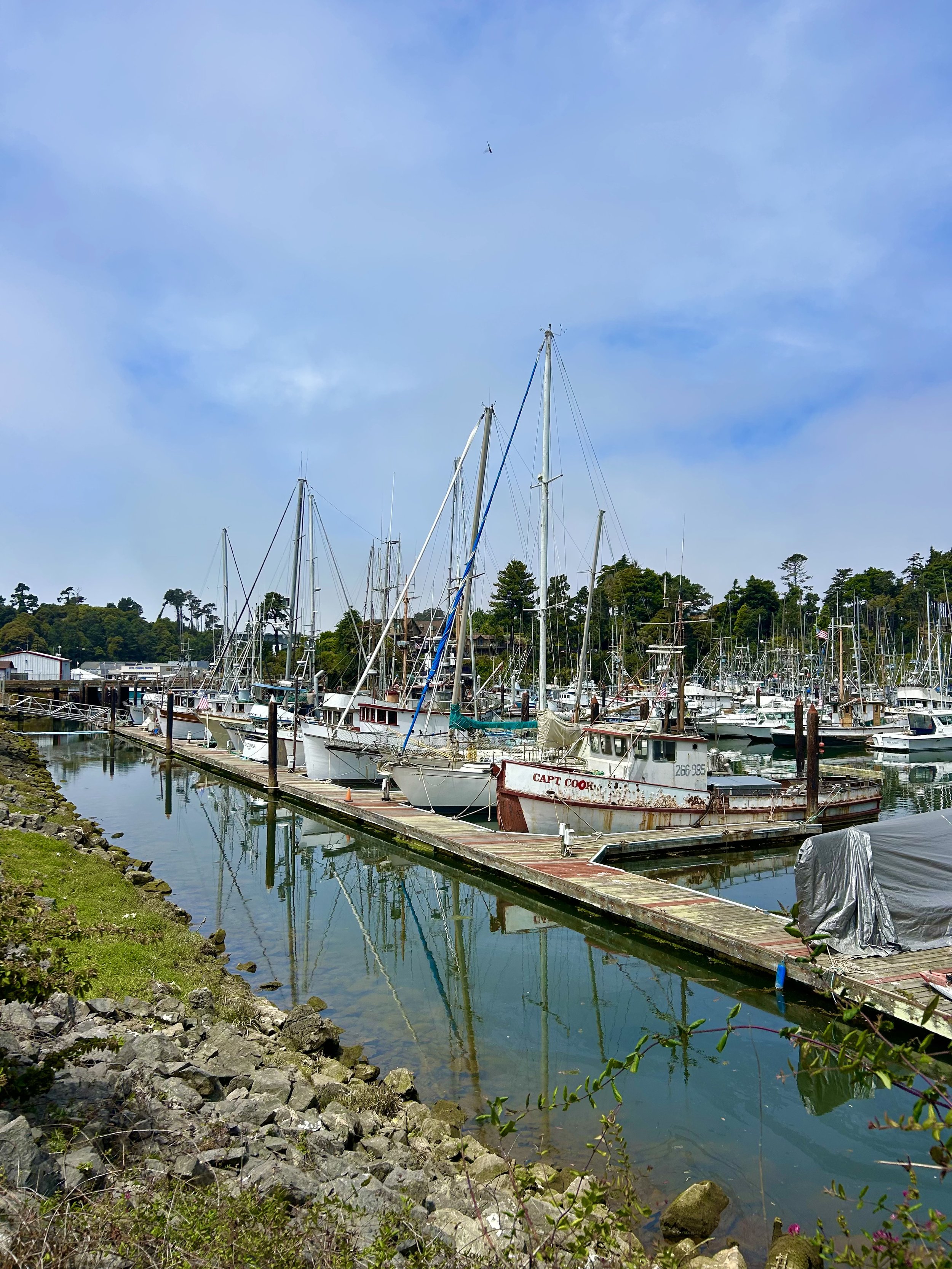
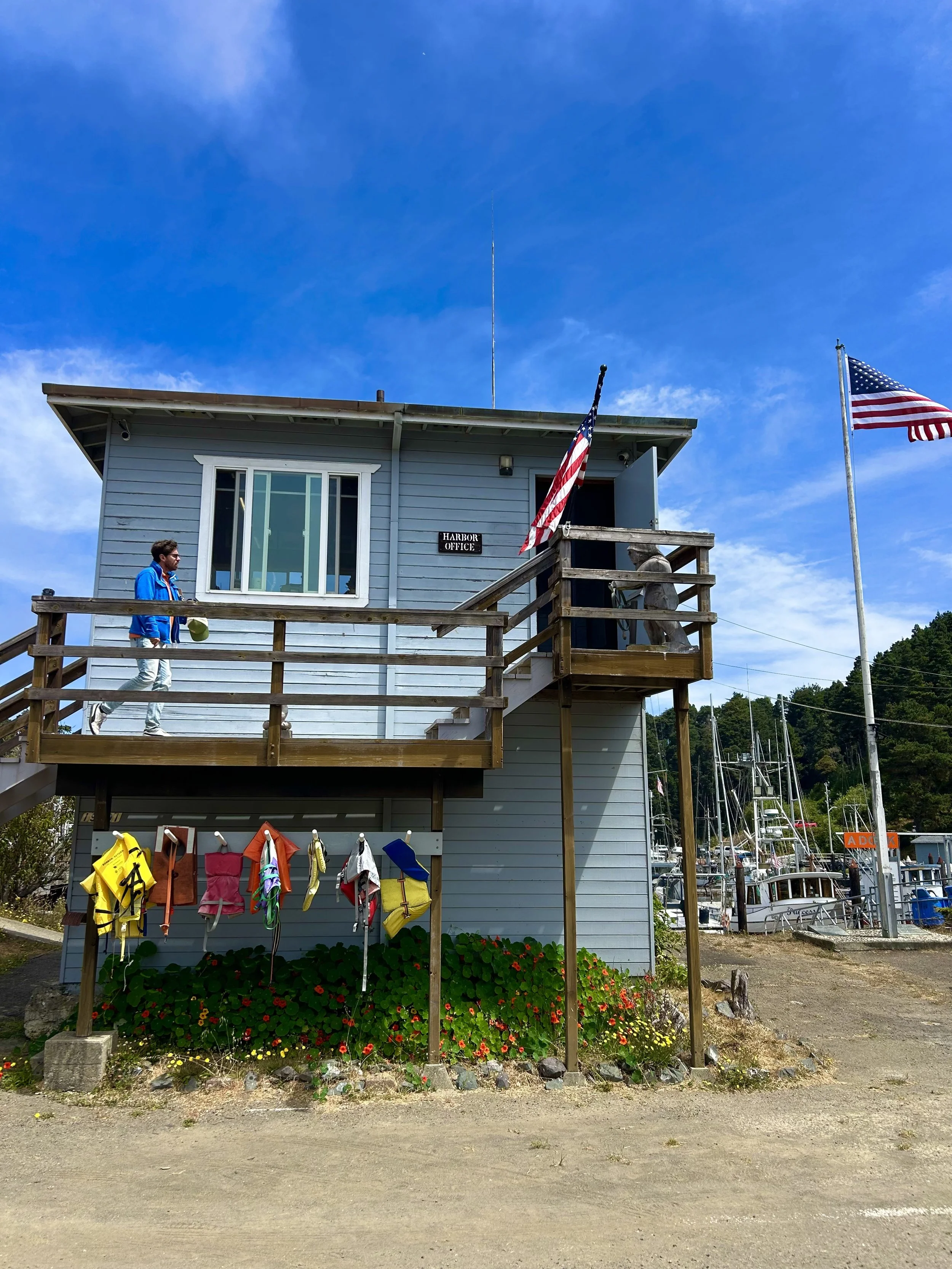
The City’s identity is closely tied to its working harbor and logging history. Noyo Harbor, in particular, remains an integral part of Fort Bragg’s cultural fabric and economic story. While the fishing industry has faced decline due to environmental pressures, regulatory changes, and economic shifts, the working waterfront continues to shape how the community understands its relationship to the coast.
In response, Fort Bragg has focused on revitalizing its waterfront through a blue economy approach — one that balances environmental stewardship with economic vitality and community-led action.
-
Fort Bragg faces a range of deeply interconnected challenges. Sea level rise threatens key infrastructure, while erosion, habitat loss, and coastal hazards compound long-term risk. At the same time, housing affordability, workforce capacity, and economic resilience are inseparable from land-use decisions and infrastructure planning.
Progress in any one area depends on addressing several others at the same time. Infrastructure, environmental conditions, social needs, and economic realities influence one another so significantly that no single issue can be solved in isolation. This interconnectedness creates complexity, but also opens the door to more coordinated, multi-layered solutions.
-
Fort Bragg is actively advancing projects that reflect this systems-level understanding.
A central effort is the development of the Noyo Harbor Blue Economy Visioning, Resiliency, and Implementation (BEVRI) Plan, which serves as a roadmap for coastal resilience within the harbor. The BEVRI Plan balances environmental stewardship with economic vitality and is informed by a series of site-specific technical studies, including sea level rise, tsunami hazards, erosion resilience, aquaculture feasibility, harbor facilities conditions, parcel and land-use assessments, and special districts analysis.
The City is also partnering with the local Tribe to develop a co-management plan for 115 acres of coastal blufftop parkland. These blufftops are ecologically sensitive, culturally significant, recreationally important, and visually iconic. Tribal co-management is intended to guide decisions around access, restoration, conservation, and education in alignment with long-term stewardship values.
Additional efforts include supporting a Rocky Reef Restoration Workforce Development Program at Mendocino College — a pilot for a potential statewide initiative — and advancing a community land trust, Housing Mendocino Coast, focused on creating homeownership opportunities for the local workforce.
-
Fort Bragg is a community in transition and ready for transformative investment. Community feedback consistently shows that people care about the coast for different reasons and experience coastal issues in different ways. Effective engagement means meeting people where they are and ensuring that coastal priorities reflect diverse values, rather than a single perspective.
Local partnerships, including the Noyo Ocean Collective, play a key role in grounding resilience efforts in community knowledge and shared stewardship.

Leadership Perspective
Sarah Million McCormick, Economic Development Manager, City of Fort Bragg
Sarah Million McCormick approaches her resilience work through a lens shaped by lived connection to the coast and an understanding of how linked their challenges are. Fort Bragg’s most pressing issues — workforce development, housing, infrastructure, environmental conditions, and economic vitality — form a chain of dependencies.

Addressing sea level rise, for example, requires a long-term land-use vision, which in turn depends on zoning for jobs and industry, workforce development pathways, and housing capacity. Each decision branches into another area of need.
This interconnectedness, while challenging, creates opportunity. By coordinating science, planning, and action — locally and at larger scales — solutions can be sequenced in ways that align with community values and maximize co-benefits across environmental, social, economic, and infrastructure systems.
Sarah also sees statewide coordination as essential. By working at scale, California can respond to climate change with a level of speed, efficiency, and innovation that individual communities cannot achieve alone.
For Fort Bragg, resilience is not about preserving a single moment in time, but about stewarding a living coastline — one that supports ecosystems, livelihoods, and community life for generations to come.