
California Coastal Accelerator Cohort Profile
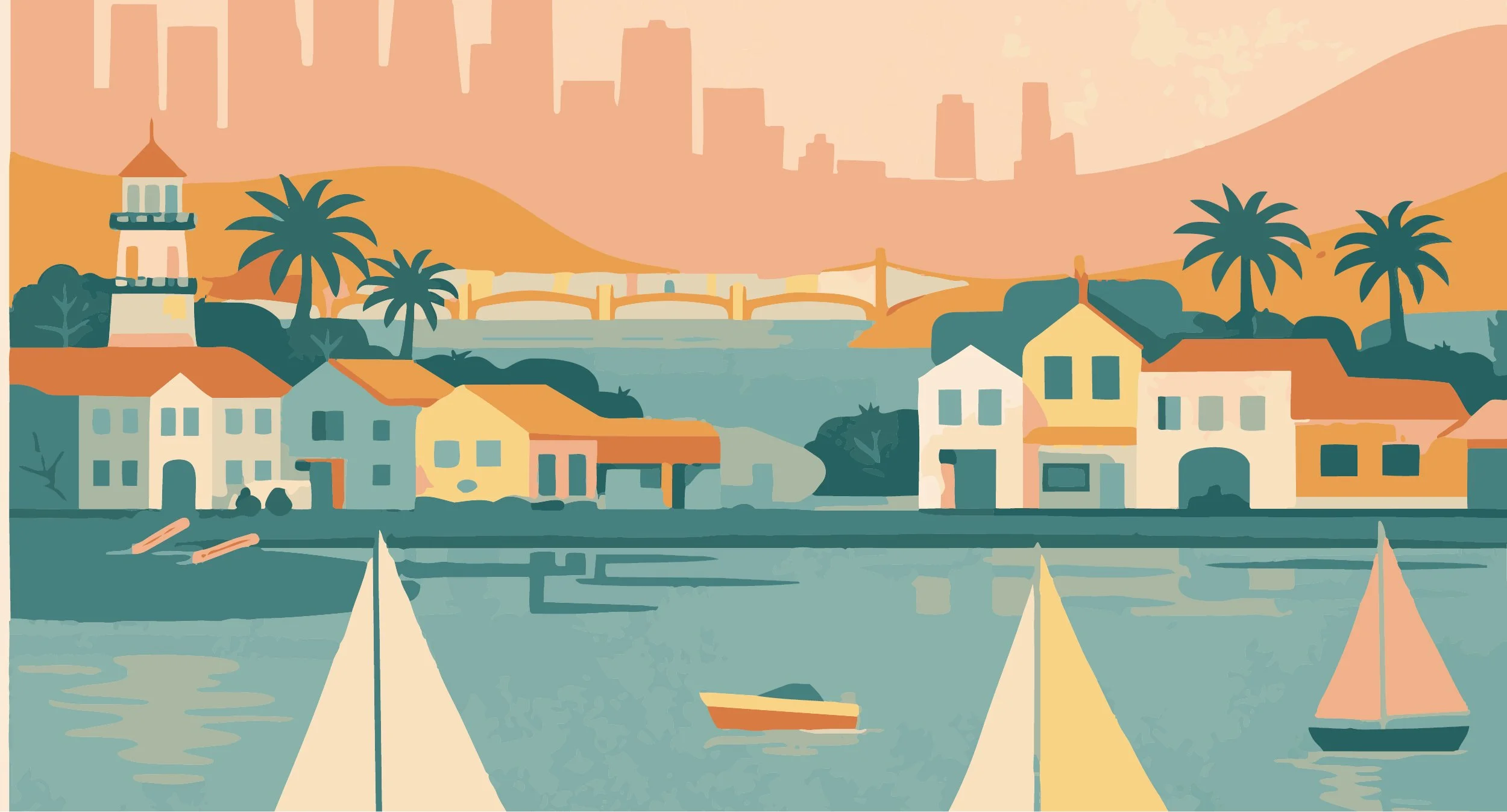
SANTA BARBARA
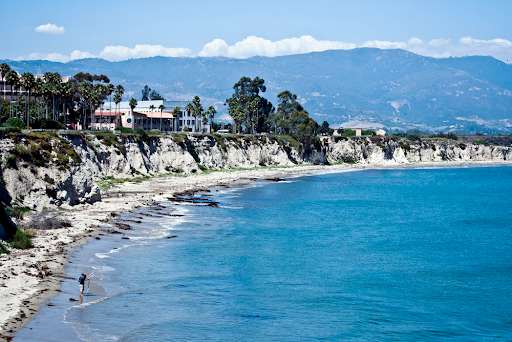
Set between the Pacific Ocean and the Santa Ynez Mountains, Santa Barbara is defined by its proximity to water, open space, and wilderness. The City’s extensive public Waterfront, working Harbor, beaches, creek corridors, and access to Los Padres National Forest make it deeply valued for recreation, natural beauty, and quality of life.
Santa Barbara’s coastline is an everyday gathering place. Waterfront parks, beaches, Stearns Wharf, and the Harbor support walking, recreation, and working waterfront activity, forming a central part of how residents and visitors experience the city.
-
Open space and natural beaches are core to Santa Barbara’s identity. Residents value the ability to walk along the shoreline, access the water, and recreate in coastal spaces that feel open, connected, and alive. These assets are not only scenic, but also integral to community well-being and the local economy.
-
What makes Santa Barbara beautiful also makes it vulnerable. The City faces increasing risks from flooding, stormwater impacts, wave action, erosion, and wildfire. In recent years, Santa Barbara has experienced back-to-back flooding events downtown, storm surge along the Waterfront, and erosion affecting Harbor infrastructure.
Flooding is a particularly acute challenge in low-lying areas of the city, where stormwater impacts lower-income communities. These risks are expected to intensify as climate conditions change.
-
In response to growing climate threats, Santa Barbara established an Adaptation and Resilience Program to prepare the community for climate impacts through a multifaceted approach. This work includes proactively adapting City infrastructure, monitoring coastal change, reducing flood and erosion hazards, restoring habitats, strengthening building resilience standards, and providing resources to the community.
Key priorities are modifuing the wastewater collection system to handle more flooding, adapting the city’s cherished Waterfront from seal level rise, and the development of a stormwater model for the areas most frequently flooded in the City. This foundational effort will enable many other projects to move forward, improving the City’s ability to manage flooding and plan coordinated, equitable adaptation strategies.
-
Santa Barbara’s resilience efforts are supported by strong partnerships with local and regional organizations, including BEACON, Santa Barbara County, and Heal the Ocean. These collaborations help pool resources, align efforts, and advance solutions that reflect shared priorities across the region.
Leadership Perspective
Melissa Hetrick, Adaptation and Resilience Manager, City of Santa Barbara
Melissa Hetrick brings a practical, systems-oriented lens to Santa Barbara’s climate resilience efforts, shaped by the City’s exposure to flooding and its deep connection to the coast. In protecting Santa Barbara’s treasured natural and community spaces, she also tackles growing risks from storm surge, erosion, and flooding — especially in low-lying areas where impacts are felt most acutely by vulnerable residents.

A core part of her work centers on incorporating increased flooding, longer droughts, rising groundwater levels, and sea level rise into all the City’s projects and plans. She is also leading efforts to monitor and model flooding, erosion, sediment movement, and stormwater for the City, laying the foundation for smarter, more strategic adaptation investments. By better understanding how water moves through Santa Barbara during storm events, the models will help unlock future projects and guide decision-making around where and how to build resilience.
Melissa is also a strong advocate for collaboration, emphasizing the importance of pooling resources and aligning efforts across departments, jurisdictions, and community partners to address climate challenges that don’t follow administrative boundaries.
At the heart of her work is a commitment to protecting what residents value most: access to the shoreline, open space, and the ability to walk, recreate, and gather along the coast — now and for generations to come.