
Resilient Cities Catalyst has worked in California since 2019 to advance high-impact climate resilience projects that benefit historically marginalized and climate-vulnerable communities, facilitate actionable knowledge exchange, and elevate California’s global climate leadership.
The flagship program of RCC’s Regional Resilience Partnerships program, the California Resilience Partnership (CRP) was born in 2021 with a vision to generate meaningful partnerships, while bolstering existing efforts, in order to advance resilience projects, continually evolving to better meet the resilience needs of local places, regionally, and at the state level.
Through deep work in greater Los Angeles, greater San Diego, greater Sacramento, and the Central Coasts, the program unearthed funding and implementation challenges that underscored the need in California to strengthen innovative partnerships and catalyze philanthropic funding, in concert with public resources, to better advance action. From this need, the program laid the groundwork for the California Resilience Implementation Accelerator initiative (“the Accelerator”).
Anchored by the Accelerator, the California Resilience Partnership is now the umbrella for all of RCC’s work in and related to California, integrating and uplifting partner efforts across California that better inform resilience implementation and action. By braiding together complementary efforts across California, RCC’s work in California will better inform project development and resilience action, across the nation and beyond.
Programs
-

California
Resilience
Partnership -

California
Resilience
Implementation
Accelerator -

California
Coastal
Accelerator -

Goleta
SloughResilience Project
Acceleration -

Los Angeles
Wildfire
Recovery -

Re:Beach
Oceanside -

Resilience
Districts
Incubator -

California
Project
Preparation -

Binational
ResilienceInitiative
-

Mediterranean
Climate
Action
Partnership
Advisory Board
The California Resilience Partnership (CRP) Advisory Board provides strategic guidance on RCC’s programmatic activities in California and includes key leaders across sectors, including philanthropy, non-profits, the private sector, academia, and other critical stakeholders representing regions across California.
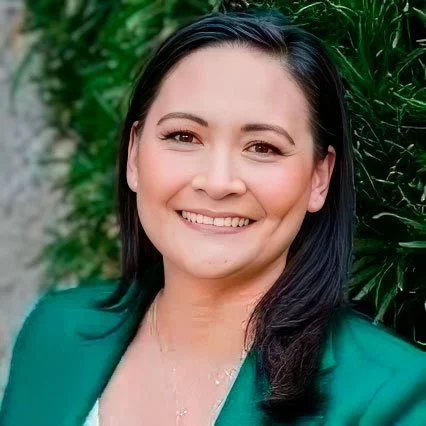
Bernadette Austin, CEO, CivicWell

Darbi Berry,
CRP Board Chair & Director, The San Diego Regional Climate Collaborative
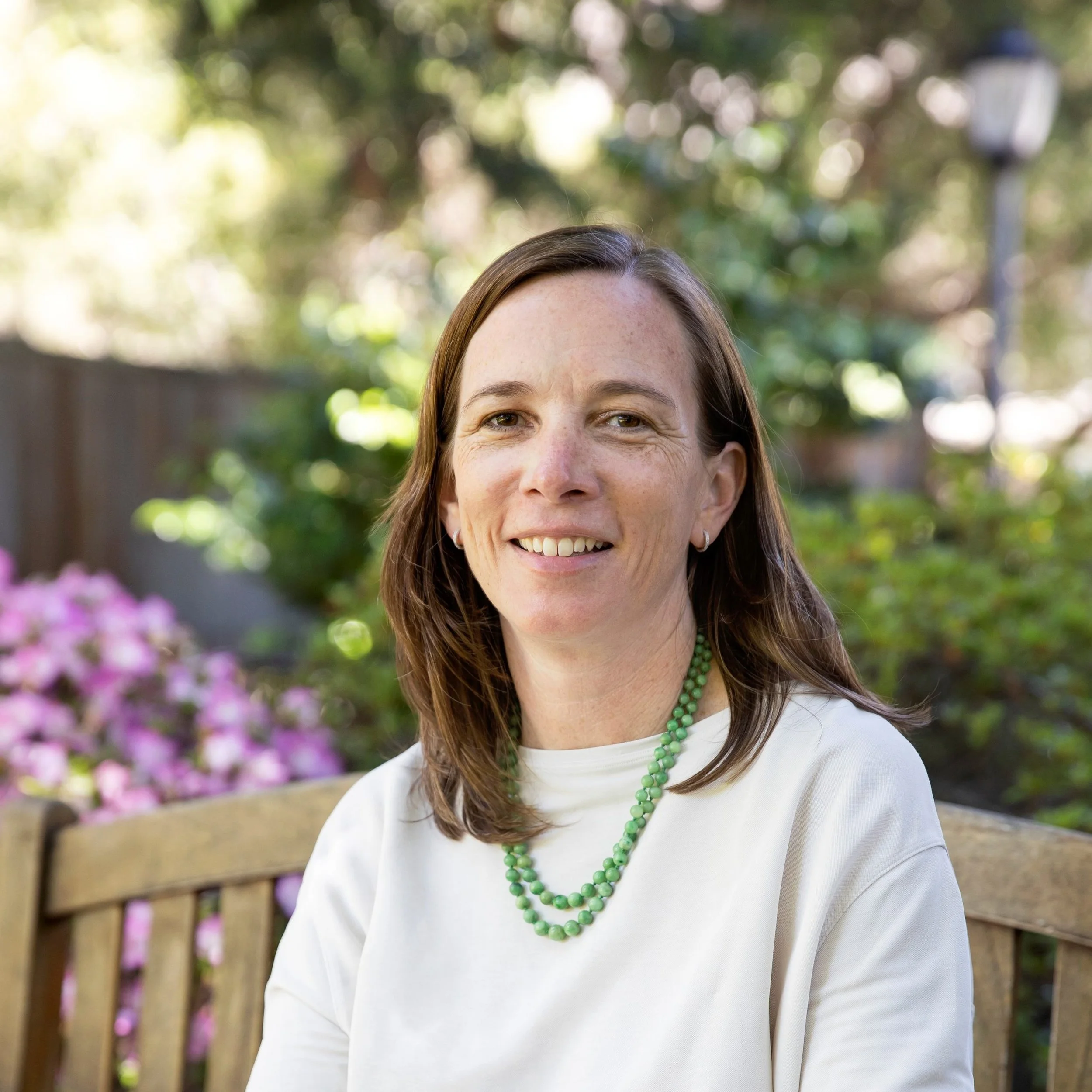
Louise Bedsworth, Executive Director Center for Law, Energy, & the Environment, Berkeley Law
Erin Coutts,
Los Angeles Regional Collaborative for Climate Action and Sustainability
Abby Edwards,
Senior Deputy Director, Governor's Office of Land Use and Climate Innovation

Jessica Hitt,
Associate Director ClimateWorks Foundation
Nuin-Tara Key, Executive Director of Programs, California Forward
Jonathan Parfrey, Executive Director, Climate Resolve
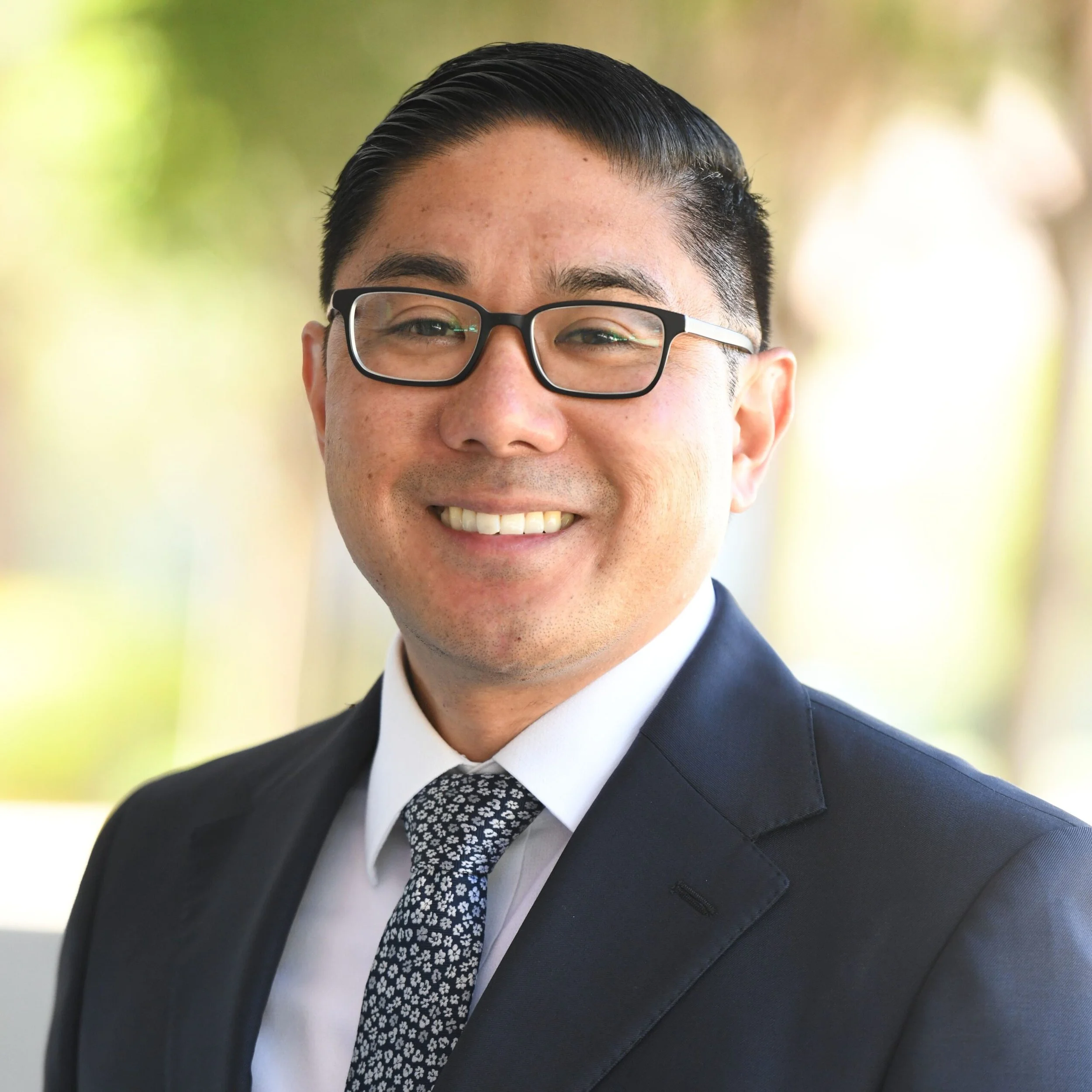
Robert Miyashiro,
Ex-Officio, Program Officer, International Programs, the Conrad N. Hilton Foundation
Kiara Reed,
Executive Director, Civic Thread
Impact
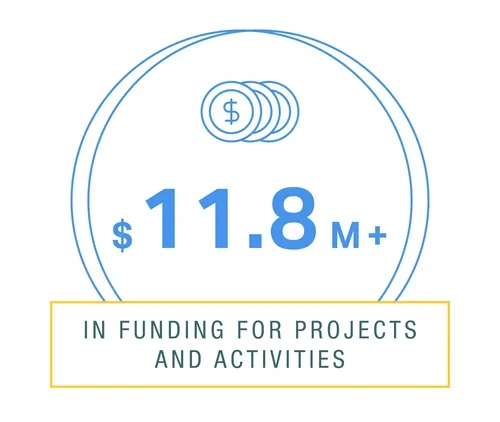
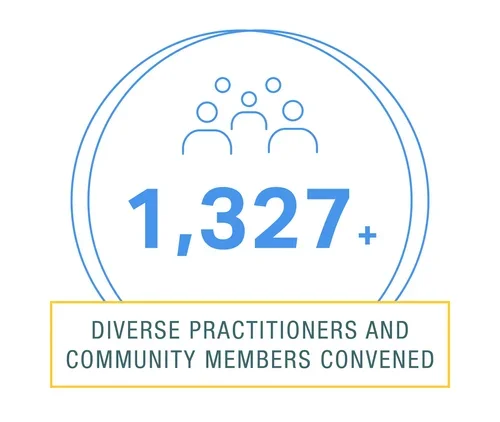
Since RCC began work in California, it has made significant strides in advancing resilience solutions, building partnerships, engaging diverse practitioners across the state, channeling technical and financial support for projects and capacity building. As RCC builds its programs under the Resilience Implementation Accelerator, it will continue to add to these robust statistics.
News
Blog





Resources
-
The California Coastal Accelerator brought together cohort members to discuss their individual and collective challenges to coastal monitoring practices, identifying gaps and surfacing common needs. This report synthesizes insights from the Cohort detailing existing monitoring mechanisms, data quality and accessibility, governance and funding challenges to identify opportunities to streamline and scale processes, expand access, and facilitate greater statewide alignment. While local contexts vary—from urban Southern California beaches to rural Northern California bluffs—common themes emerged around the need for consistent baselines, regional coordination, sustained funding, and better translation of data into decision-making. Read the full report.
-
The Goleta Slough is central to the natural ecosystem in the Santa Barbara region, supporting ecological diversity and important watershed and shoreline processes. The Slough is also a built environment, incrementally filled and hemmed in by more than a century of urban expansion and economic growth.
This report summarizes previous technical and scientific studies as well as governmental plans to aid in further phases of the Initiative. It includes descriptions of the dynamics of the ecosystem and natural landscape of the Goleta Slough and surrounding areas, highlights key social and environmental entities, and synthesizes climate impacts and stated priorities for the region. Learn more from Goleta.
-
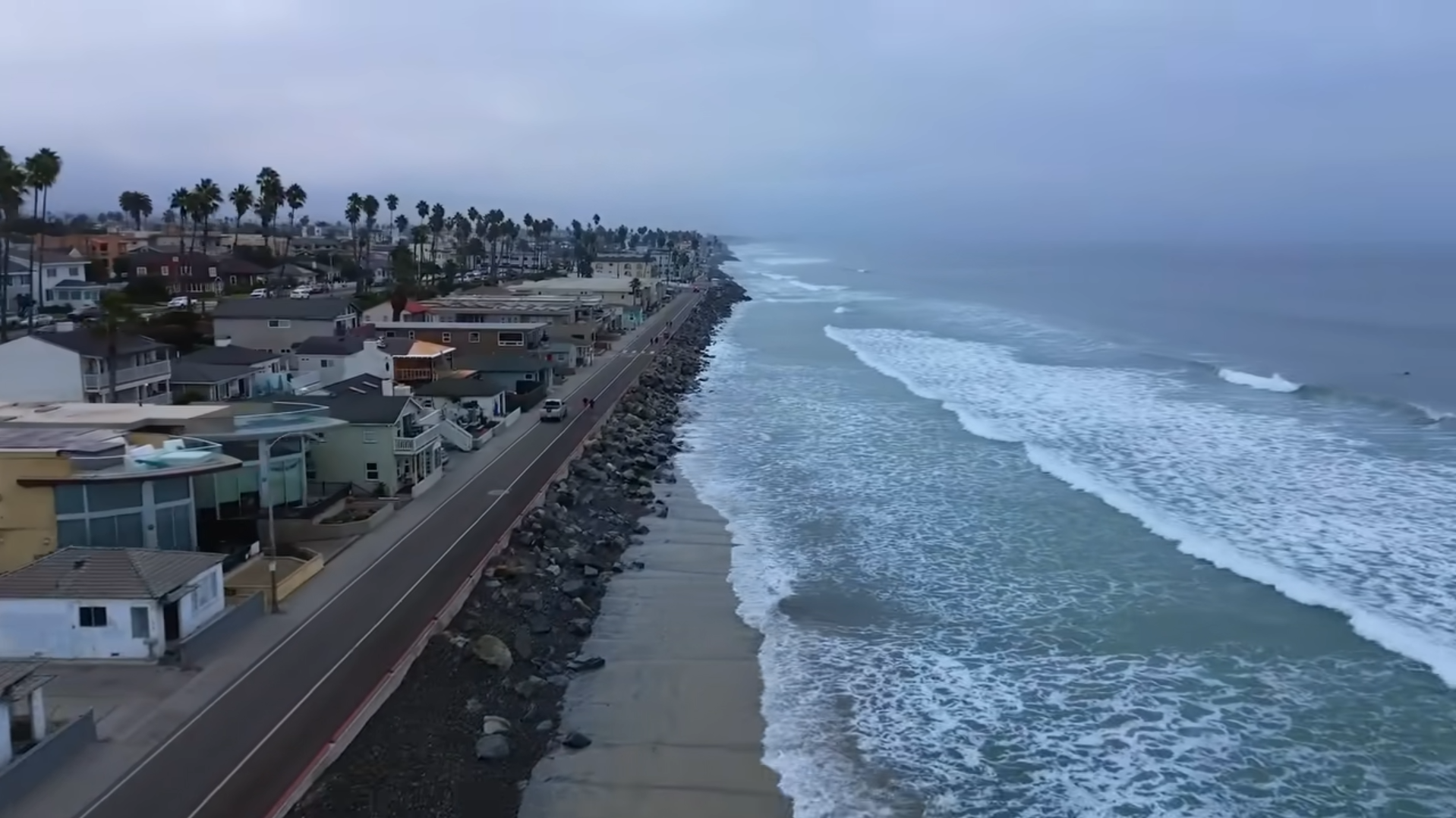
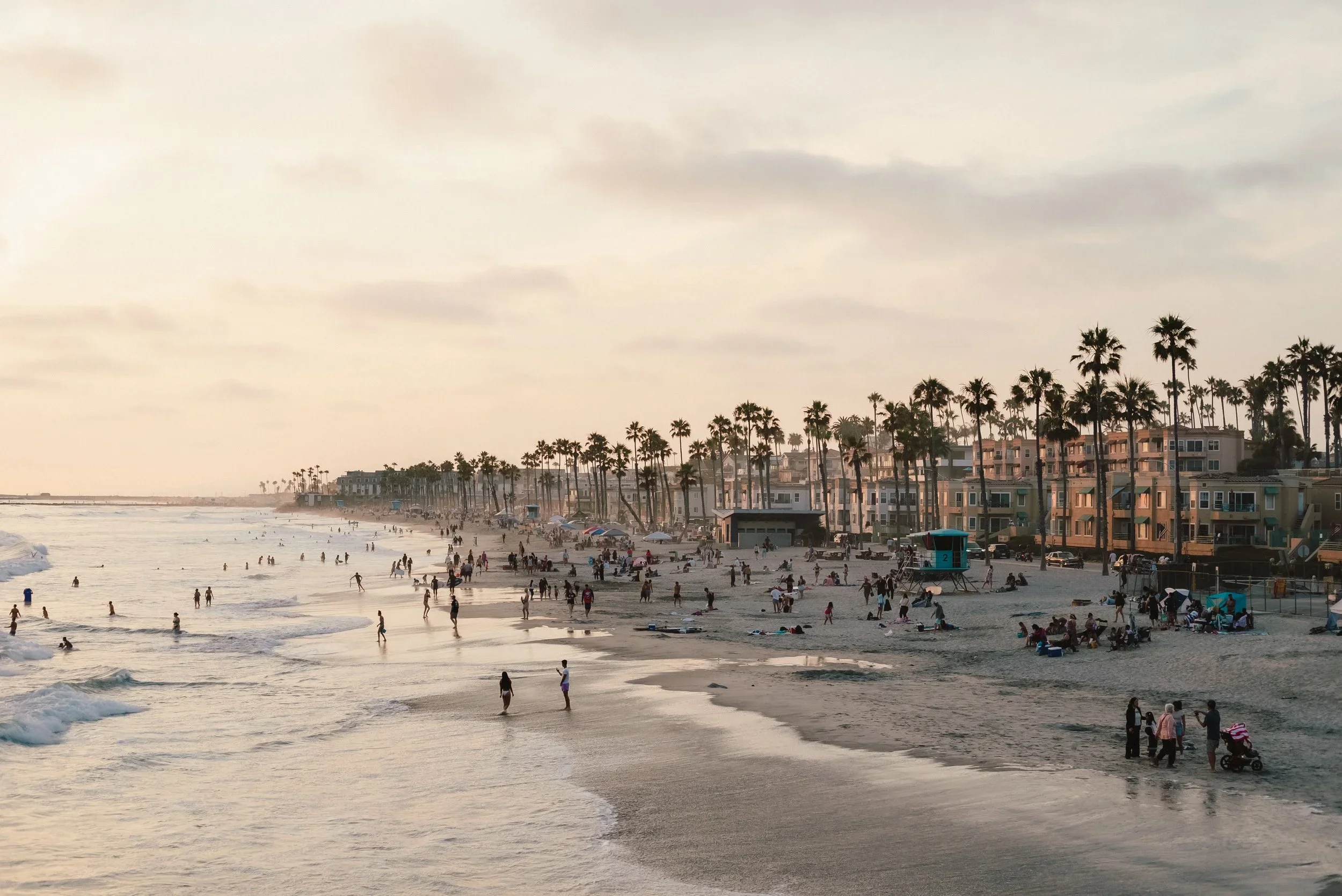
Oceanside Beach is a defining natural and economic asset for the City of Oceanside, attracting millions of visitors annually and contributing significantly to the region’s tourism economy, quality of life, and public services. Each year, the beachfront attracts millions of visits and generates direct visitor spending that ripples across the local and regional economy, sustaining thousands of jobs and producing critical tax revenues that fund essential City services. Yet this valuable asset is at risk. Chronic beach erosion, sea level rise, and sediment supply disruptions threaten to narrow the shoreline, degrade infrastructure, and reduce tourism-driven economic activity. RCC commissioned a study to quantify the beach as an economic asset and identify the cost of inaction to present and future climate impacts, with the goal of launching a long-term community dialogue about the role of coastal resilience in fiscal resilience. Learn more from Oceanside.
-
Following the Eaton and Palisades fires in Greater Los Angeles in January 2025, Resilient Cities Catalyst partnered with Climate Resolve to conscientiously and equitably immerse themselves in the recovery landscape, learning from the full spectrum of those directly affected or involved in the response, rigorously investigating strategies that might aid the recovery from the Eaton and Palisades fires, and examining wide-ranging interventions that could contribute to reducing or eliminating impacts of future fire events. Critical themes emerged from that provides a framework for strategic philanthropic investment that complements government action and fills gaps that government cannot address quickly or flexibly enough. Learn more from Los Angeles.
-
Following the Eaton and Palisades fires in Greater Los Angeles in January 2025, Resilient Cities Catalyst partnered with Climate Resolve to investigate global strategies and lessons learned that could aid in the recovery from the Eaton and Palisades fires, and examining wide-ranging interventions that could contribute to reducing or eliminating impacts of future fire events. Learn more from global case studies.
-
Southern California’s coasts are on the frontline of climate change. With beaches and bluffs eroding at an annually accelerating rate, communities and the ecosystems they depend upon face significant risks. A thriving coastal city, Oceanside is one of many cities battling to save its beaches from rising sea levels and erosion. After years of traditional planning and coastal management strategies, the City is now piloting a new approach. Learn more from Oceanside.
-
Since 2017, Ventura County has been at the epicenter of some of the biggest fires in California’s history, with vulnerable communities bearing disproportionate impacts. In particular, for more than 50,000 agricultural and outdoor workers supporting some of the state’s most productive lands, these wildfires created some of the harshest conditions that the region has seen in recent decades. These workers, many of whom are immigrants from Mexico, are the backbone of the region’s economy and essential to the food system. However, an opportunity arose to strengthen its approach in advance of the next disaster. Learn more from Ventura.
-
The California Resilience Partnership (CRP) published the Climate Crossroads: California's Readiness to Act on Climate Resilience to inform the State’s grant programs to foster more equitable and resilient communities across California. Through the California Resilience Partnership, RCC leld an extensive data analysis and engaged with hundreds of diverse local, regional, and statewide community resilience leaders across California, over the course of almost 100 convenings and meetings. Learn more about state policy & funding opportunities.
-
The California Ocean Protection Council joined RCC and partners in San Diego County to learn more about efforts to development a coastal resilience roadmap that will facilitate accelerated action for coastal resilience projects and investments that prioritize benefits to underserved communities in the region. This Prop 68 Project will build capacity for the region as a whole and design an equitable approach that is community-led, allowing individuals living in these impacted or at-risk areas to inform the future direction of how the area is managed. Learn more from the collaboration.
-
In June 2021, California approved a $15 billion budget for climate change, with $3.7 billion allocated for climate resilience over three years. The budget represents a significant opportunity for long-term resilience, but with initial allocation details unclear, RCC partnered with CivicWell to mobilize stakeholders and identify funding priorities and distribution mechanisms. The report details findings from their engagement, including priorities and future strategies for effective implementation. Learn more about mobilizing state funding resources.
-
Like other regions around the globe, California now faces more frequent and destructive wildfires every year. As communities seek new approaches, there is an opportunity to rethink land use planning and relearn historic indigenous fire management practices that have allowed tribal communities to coexist with nature. Learn more from Paradise.
-
Climate change poses significant health risks, particularly for communities of color and low-income populations, who face compounded vulnerabilities due to existing health disparities. The Covid-19 pandemic highlighted these inequities, exacerbating health and economic challenges for already at-risk groups. The Climate Change and Health Equity report provides actionable strategies to foster healthier, climate-resilient communities. Learn more from Los Angeles County.
-
This Community Organizing Around Resilience Guide was developed through the California Resilience Partnership (CRP), which is led by Resilient Cities Catalyst (RCC), an independent nonprofit organization that is dedicated to resilience-building partnerships that address cities’ urgent challenges (find out more about RCC’s work in LA here). This guide was developed by TreePeople, an environmental nonprofit that inspires and supports the people of Southern California to come together to plant and care for trees, harvest the rain, and renew depleted landscapes, in partnership with six LA-based community organizers. With over 45 years of community organizing experience across Southern California, involving more than 2 million people in planting and caring for more than 2 million trees, TreePeople unites with communities to grow a greener, shadier, and more water-secure city in homes, neighborhoods, schools and in the local mountains. Learn more from Los Angeles.
-
The 2020 San Diego Coastal Exchange, led by Resilient Cities Catalyst and the San Diego Regional Climate Collaborative, gathered experts virtually to address compounding risks like sea-level rise, economic inequity, and the COVID-19 pandemic. Through a series of "design sprints" and global case studies, diverse stakeholders co-created four strategic approaches. Learn more from the San Diego.
-
The Woolsey Fire and its aftermath drove RCC and partners to identify replicable, bold ideas driven by both local governments and non-profit organizations that would strengthen critical capacities for a more resilient region: namely, the capacities of absorbing, adapting, and even transforming in the face of current and future climate driven shocks.
After engaging with local partners to source ideas and then holding a competitive application process, RCC identified four promising emerging projects, proposed by local partners, that tackle this challenge through varied tactics. All projects share common features that will help to build a more resilient region by enhancing local capacity to absorb and adapt to wildfire, extreme heat, and other growing climate threats. Learn more from Los Angeles.